Competency Is Becoming the Industry’s Biggest Risk
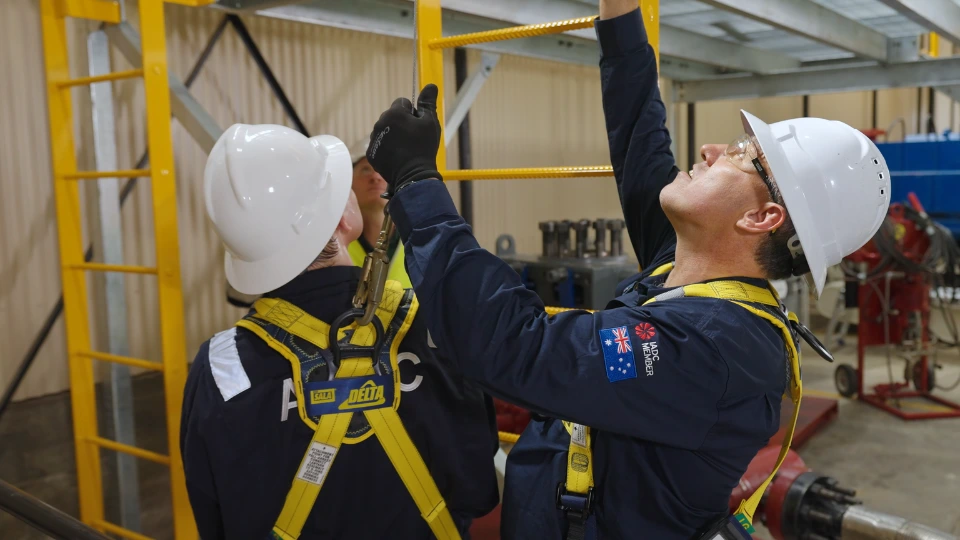
Queensland’s oil and gas sector is entering another critical workforce phase — not driven by hype, but by operational reality. Across the Surat Basin, Bowen Basin, Roma, Chinchilla and Gladstone regions, companies are facing a growing challenge: maintaining a safe, competent and sustainable workforce while experienced personnel continue to leave the industry faster than they are being replaced.
For those already working in the sector, the message is clear. The industry no longer simply needs workers. It needs trained, verified and operationally competent people who can contribute immediately in high-risk environments.
The Queensland coal seam gas to LNG industry has long identified drilling crews, well servicing personnel, field technicians, electrical and instrumentation workers, and operational support roles as ongoing workforce pressure points. But what is changing in 2026 is the type of worker industry now requires.
The era of simply “putting people through tickets” is rapidly disappearing.
Operators, contractors and service companies are under increasing pressure to ensure workers are genuinely competent — not just technically qualified on paper. Safety systems, contractor assurance requirements and operational integrity expectations have lifted significantly across the board.
This is particularly evident in drilling and well servicing operations.
For years, industry accepted a model heavily reliant on green crews learning on the job. While field exposure remains essential, the modern operational environment no longer allows businesses the luxury of extended competency gaps. Downtime is expensive, incidents are unacceptable, and experienced personnel are becoming harder to source and retain.
As a result, companies are investing more heavily into structured workforce development, frontline leadership programs, verification of competency systems and practical simulation-based learning environments.
The focus has shifted from “Can this person get a job?” to “Can this person operate safely and productively from day one?”
At the same time, the operational landscape itself is evolving. Digital systems, automation, remote monitoring and advanced operational technologies are becoming increasingly embedded into everyday field operations. Employers are now seeking personnel who can combine practical capability with communication skills, safety leadership and operational awareness.
This is especially important for supervisors and emerging leaders. The modern driller, toolpusher or field supervisor is now expected to lead safety culture, manage fatigue, oversee compliance and maintain operational accountability under constant scrutiny.
Queensland’s industry is responding accordingly. Training pathways are becoming more structured, competency-based assessment is receiving greater focus, and practical hands-on training environments are being prioritised over classroom-only models.
For workers already in the industry, this presents a significant opportunity. Those who continue investing in recognised qualifications, practical competency development and ongoing upskilling will remain highly valuable as the sector evolves.
The industry is no longer chasing numbers alone.
It is chasing capability.
Leave a Reply