Gas Test Atmospheres in High-Risk Work Environments
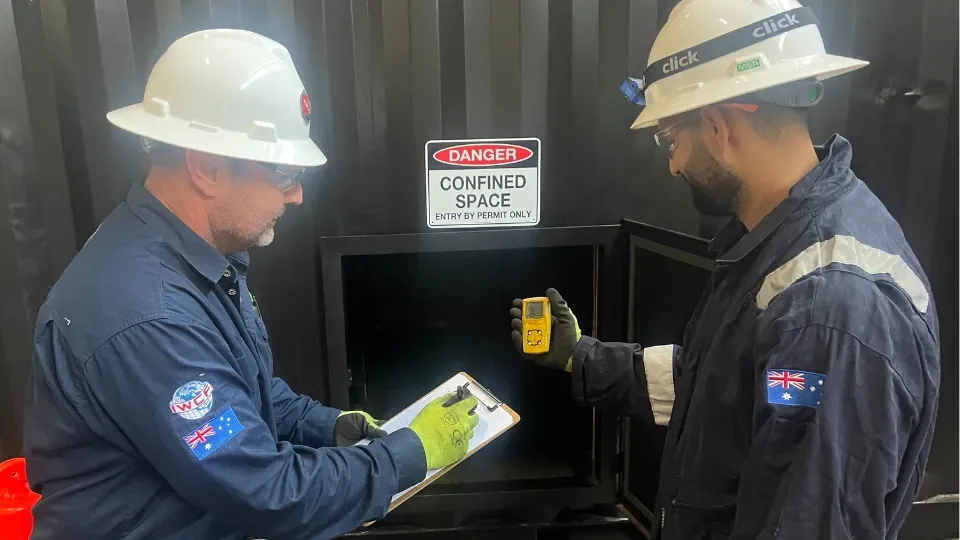
Book a MSMWHS217 Gas test atmospheres course with AWCC here.
In high-risk industries such as oil and gas, drilling, mining, and confined space operations, many of the most serious hazards are invisible. Toxic gases, flammable vapours, and oxygen-deficient atmospheres can be present without warning, posing a significant threat to worker safety.
This is why gas test atmospheres are a critical part of safe work practices. Proper gas testing, combined with the right training, helps prevent serious incidents, injuries, and fatalities. (Haz-Ed, 2025) and ensures worksites remain compliant with Australian safety standards.
What Is Gas Testing?
Gas testing refers to the process of assessing air quality to identify hazardous atmospheric conditions before and during work activities. This is typically done using calibrated gas detection equipment designed to measure:
-
Oxygen levels
-
Flammable gases or vapours
-
Toxic gases such as hydrogen sulphide (H₂S) and carbon monoxide (CO)
Gas test atmospheres are especially important in environments where ventilation is limited or where hazardous substances may be released during operations.
Common Atmospheric Hazards on Worksites
Oxygen Deficiency or Enrichment
Normal air contains approximately 20.9% oxygen. Levels below this can impair judgment, cause unconsciousness, or be fatal. Oxygen-enriched atmospheres, on the other hand, significantly increase fire and explosion risks.
Flammable Gases and Vapours
Hydrocarbon gases and vapours can accumulate quickly, particularly in confined or enclosed spaces. If ignited, they can lead to fires or explosions with catastrophic consequences.
Toxic Gases
Gases such as H₂S and CO are extremely dangerous and often undetectable by human senses. Exposure can cause serious health effects or death within minutes if not identified early.
When Is Gas Testing Required?
Gas testing is essential across many high-risk activities, including:
-
Confined space entry
-
Hot work
-
Drilling and well servicing operations
-
Tank cleaning and maintenance
-
Shutdowns and turnarounds
Testing should be conducted before entry, continuously during work, and whenever conditions change. Ongoing monitoring ensures workers are alerted immediately if atmospheric conditions become unsafe.
The Consequences of Inadequate Gas Testing
Failing to correctly test and monitor atmospheric conditions can result in:
-
Serious injuries or fatalities
-
Fires or explosions
-
Worksite shutdowns and investigations
-
Regulatory penalties and legal consequences
-
Long-term reputational damage
Many incidents occur not because equipment is unavailable, but because workers are not adequately trained to use it correctly or interpret the readings.
Why Training Is Essential for Effective Gas Testing
Gas detection equipment is only effective when used by trained and competent personnel. Workers must understand:
-
How to correctly operate and calibrate equipment
-
Safe exposure limits and alarm set points
-
How to interpret readings accurately
-
The correct actions to take when unsafe conditions are detected
Without proper training, critical warning signs can be missed, placing lives at risk.
How AWCC Supports Safer Workplaces
At the Australian Well Control Centre (AWCC), safety training goes beyond theory. Our industry-recognised courses provide practical, hands-on learning delivered by experienced trainers with real-world expertise.
AWCC training equips workers with the knowledge and confidence to:
-
Identify atmospheric hazards
-
Conduct effective gas testing
-
Respond decisively to unsafe conditions
-
Meet workplace safety and compliance requirements
By investing in quality training, organisations can reduce risk, protect their workforce, and maintain safe, compliant operations.
Ensure your team is prepared to safely test and monitor hazardous atmospheres.
Explore AWCC’s range of safety and industry-recognised training courses designed to support safer, compliant worksites.
📧 Email: admin@wellcontrolcentre.com.au
📞 Call: 07 4638 0532
Leave a Reply