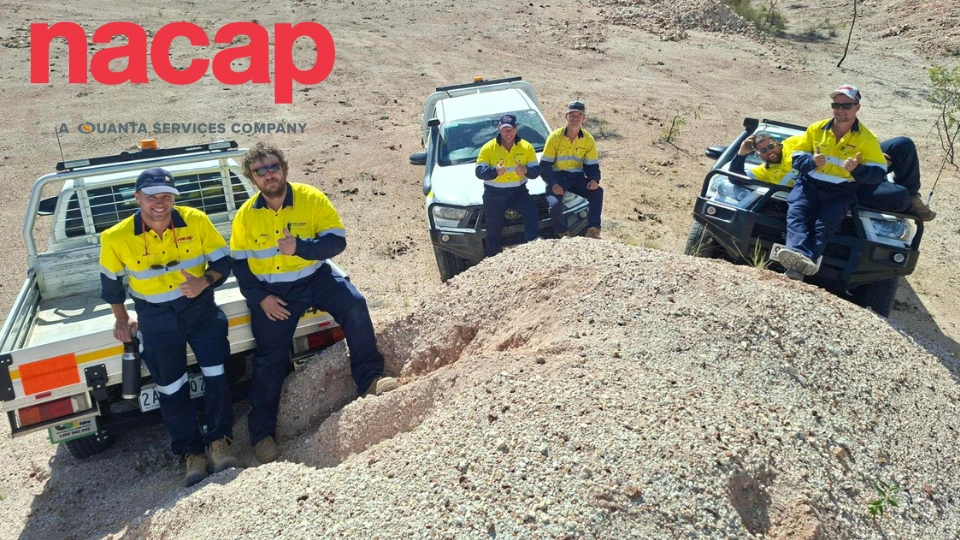
In regional and remote operations, training is only valuable if it can be delivered when and where it is needed. Recently, the Australian Well Control Centre (AWCC) partnered with NACAP to deliver short-notice, onsite training for personnel based in and around Miles—a practical example of how modern workforce development must operate in today’s energy and infrastructure sectors.
This engagement was driven by operational reality. Workforce availability windows were tight, travel time needed to be minimised, and the training outcomes were non-negotiable. NACAP required assurance that participants would leave the program not only compliant, but genuinely competent in skills that directly affect safety, asset protection, and operational continuity. AWCC was able to mobilise quickly, design the delivery around site requirements, and deploy experienced trainers to meet those expectations.
One of the key strengths of this delivery was AWCC’s ability to facilitate training onsite, at short notice, without compromising quality or compliance. Rather than drawing personnel away from operations for extended periods, the training was structured to integrate seamlessly with NACAP’s operational tempo. This approach reduces downtime, controls cost, and—most importantly—keeps training relevant to the environments participants actually work in.
AWCC utilised its purpose-built designated 4WD training area in Chinchilla. Unlike generic driver education environments, this facility is specifically designed to replicate the terrain, hazards, and decision-making pressures encountered in regional energy, civil, and infrastructure operations. Participants were trained in vehicle capability assessment, terrain negotiation, recovery techniques, and dynamic risk assessment—skills that are critical in preventing incidents long before emergency response is required. The controlled yet realistic setting allowed trainers to assess behaviour under pressure, reinforce correct decision-making, and address unsafe habits in real time.
Equally critical was the Gas Test Atmosphere training. In high-risk environments, gas testing is not a theoretical exercise—it is a life-preserving skill. AWCC’s delivery focused on practical competence: understanding gas behaviour, selecting and using monitoring equipment correctly, interpreting readings, and responding appropriately to hazardous atmospheres. Participants were trained to recognise that gas testing is not a “tick-and-flick” task, but a continuous process that underpins confined space entry, hot work, and broader site safety systems. The emphasis was clear: incorrect interpretation or complacency in gas testing can have immediate and catastrophic consequences.


Leave a Reply