The Invisible Danger: Why Gas Test Atmospheres Training Saves Lives
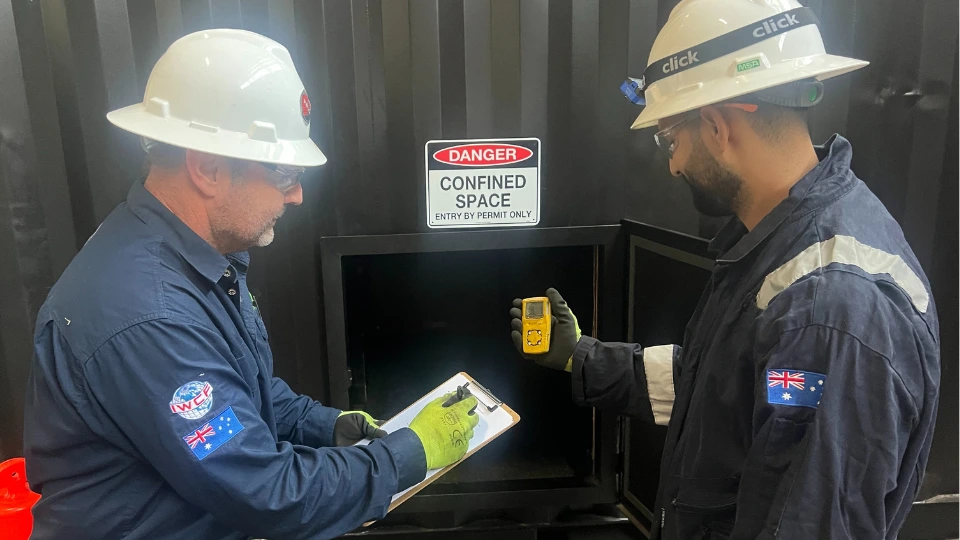
The biggest risks on site aren’t always the ones you can see.
In high-risk industries like oil and gas, drilling, mining, and confined space operations, danger often comes without warning. Toxic gases, flammable vapours, and oxygen-deficient atmospheres can build silently — putting workers at serious risk within seconds.
That’s why Gas Test Atmospheres (GTA) isn’t just another compliance requirement. It’s a critical safety skill that protects lives, prevents incidents, and keeps worksites operating safely and legally.
What Is Gas Testing?
Gas testing is the process of assessing air quality before and during work to identify hazardous atmospheric conditions. Using calibrated gas detection equipment, workers measure:
• Oxygen levels
• Flammable gases or vapours
• Toxic gases such as hydrogen sulphide (H₂S) and carbon monoxide (CO)
GTA is especially vital in confined or poorly ventilated environments, or anywhere hazardous substances may be present or released during operations.
Without proper testing, workers can unknowingly enter deadly atmospheres.
Common Atmospheric Hazards on Worksites
Oxygen Deficiency or Enrichment
Normal air contains around 20.9% oxygen. Lower levels can impair judgement, cause unconsciousness, or become fatal. Oxygen-enriched environments increase fire and explosion risks dramatically.
Flammable Gases and Vapours
Hydrocarbon gases can accumulate rapidly, particularly in confined spaces. One ignition source can trigger catastrophic fires or explosions.
Toxic Gases
Gases like H₂S and CO are extremely dangerous and often undetectable by human senses. Exposure can cause severe injury or death within minutes if not identified early.
When Is Gas Testing Required?
Gas testing is essential during many high-risk activities, including:
• Confined space entry
• Hot work
• Drilling and well servicing operations
• Tank cleaning and maintenance
• Shutdowns and turnarounds
Testing must be completed prior to entry, continuously during work, and whenever conditions change. Ongoing monitoring ensures workers are immediately alerted if atmospheres become unsafe.
The Consequences of Inadequate Gas Testing
When gas testing isn’t done correctly, the consequences can be severe:
• Serious injuries or fatalities
• Fires or explosions
• Worksite shutdowns and investigations
• Regulatory penalties and legal action
• Long-term reputational damage
Many incidents occur not because equipment wasn’t available — but because workers weren’t properly trained to use detectors or interpret readings accurately.
Why Training Makes the Difference
Gas detection equipment is only effective in the hands of trained, competent workers.
Proper GTA training ensures personnel understand:
• How to operate and calibrate gas detectors
• Safe exposure limits and alarm settings
• How to interpret readings accurately
• What actions to take when unsafe conditions are detected
Without this knowledge, critical warning signs can be missed — and seconds matter.
How AWCC Supports Safer Workplaces
At Australian Well Control Centre (AWCC), safety training goes beyond theory.
Our industry-recognised Gas Test Atmospheres training delivers practical, hands-on learning led by experienced trainers with real-world operational backgrounds.
AWCC equips workers to:
• Identify atmospheric hazards
• Conduct effective gas testing
• Respond decisively to unsafe conditions
• Meet workplace safety and compliance requirements
By investing in quality training, organisations reduce risk, protect their people, and maintain safe, compliant operations.
In high-risk environments, there are no second chances.
Effective gas testing — backed by the right training — is essential for protecting lives and keeping worksites running safely.
Ready to upskill your team?
Book your training with AWCC today. Our industry-recognised courses deliver hands-on learning led by experienced professionals, helping you stay compliant, confident, and job-ready.
Leave a Reply