Author: Samantha Ardley

Coming in 2026: AWCC to Launch Australia’s Most Advanced Well Intervention Program Setting a New Benchmark for Training Excellence


The Australian Well Control Centre (AWCC) is pleased to announce a major expansion to our training portfolio with the upcoming release of a completely redesigned Well Intervention Course, scheduled to launch in 2026. This program marks a significant step forward in the evolution of intervention training in Australia, setting a new benchmark for relevance, accuracy and industry alignment. 

For many years, AWCC has been recognised nationally as a leader in well control training. Our close partnership with operators, drilling contractors and service companies has given us a deep understanding of both the challenges and expectations associated with high-risk field activity. As intervention operations have grown more sophisticated, it has become clear that the training supporting these activities must evolve at the same pace. The industry has asked for training that reflects real-world practices, modern equipment, changing well environments and contemporary barrier philosophy — and AWCC has responded. 

To achieve this, AWCC has assembled a group of highly respected intervention specialists to author a brand-new program. These subject matter experts bring decades of hands-on experience across slickline, coiled tubing, wireline, snubbing operations, pressure control, well integrity, diagnostics and live-well operations. Their combined knowledge ensures the content is not only current, but practical, realistic and immediately applicable in the field. This is training written by people who have not just studied intervention — they have lived it.

The new course will deliver a comprehensive and modern approach to pressure control, well behaviour, barrier systems, operational decision-making and risk management. It will explore contemporary intervention techniques, enhanced communication expectations, updated equipment standards and the behavioural and human-factors components now recognised as essential to safe intervention work. Rather than simply meeting a minimum requirement, the program aims to elevate the competence and confidence of every participant. 

Importantly, AWCC will offer this course in both face-to-face and remote delivery formats, ensuring that operators and contractors across Australia can access high-quality intervention training regardless of location. Face-to-face delivery will take place through our Brisbane and Toowoomba training centres, providing convenient access for Queensland-based personnel, while remote delivery will allow companies operating in remote or fly-in, fly-out regions to benefit from the same award-winning instructors and industry expertise without compromising on learning outcomes.

This dual-delivery model reflects AWCC’s commitment to accessibility, flexibility and modern training practice — and ensures that regional projects, remote crews and interstate operations can benefit from the program without logistical barriers. 

The decision to invest in such an extensive redevelopment demonstrates AWCC’s ongoing commitment to leadership across the industry. As the workforce prepares for a new cycle of drilling, completions and intervention activity, it is essential that training providers offer more than legacy content. AWCC continues to support the full workforce pipeline, from entry-level training through our 7-Day Turbo Program (Certificate II in Oil & Gas Drilling (Onshore) and Well Servicing), right through to advanced well control and now contemporary well intervention training. This progression ensures that new entrants, developing workers and technical specialists all have access to training that genuinely prepares them for field demands.

Our entrance into the well intervention space sends a clear message: AWCC is committed to lifting the standard of intervention training across Australia. We have built our reputation on delivering quality, not quantity. We are trusted because we deliver outcomes, not certificates. And as the demands on the workforce increase, AWCC intends to stand at the forefront of capability development. 

The release of the new Well Intervention Course in 2026 is not simply an additional program — it is a statement of our intent to support industry growth, strengthen field performance and uphold the safety culture that defines the Australian energy and resources sector. 

AWCC is proud to lead in well control. We are proud to step forward confidently into well intervention. And we are proud to prepare the workforce for the challenges and opportunities of the years ahead — face-to-face, remotely, and wherever industry needs us. 


Continue reading

AWCC Unveils Australia’s First Custom-Built Fluid Transfer Unit Specifically for Training Ahead of Turbo Cert III Launch in 2026


A new chapter in Australia’s oil and gas workforce development is underway in Toowoomba, with the Australian Well Control Centre (AWCC) taking delivery of its custom-designed Fluid Transfer Unit — a purpose-built, full-scale training system developed exclusively by AWCC and the first of its kind in the country. Now in the final stages of assembly, the unit will be fully operational in early 2026, delivering a level of realism, capability and technical depth that has not previously existed in Australian training. 

Designed from the ground up by AWCC, the Fluid Transfer Unit was created to address a critical gap in hands-on competency development. Fluid movement sits at the heart of drilling, completions and well servicing operations, yet most personnel entering the industry only encounter these complex systems for the first time once they reach the field. AWCC chose to change that. 

The new unit integrates real, industry-grade equipment, including a mud separator, agitators, a single shaker, degasser, desander, a functional mixing hopper and operational trip tanks. This configuration replicates the full operational behaviour of a field-ready fluid system, allowing trainees to experience live circulation, equipment response, flow dynamics, solids removal, gas separation, pressure variations and system interactions in real time. 


While the system includes full mud-handling functionality, its capability extends far beyond traditional mud system training. The Fluid Transfer Unit enables instruction in fluid logistics, pump operations, transfer processes, flow path management, barrier interpretation, operational troubleshooting and emergency response — providing a comprehensive environment for developing both foundational and advanced skills. 

This innovation is set to become a cornerstone of AWCC’s upcoming Turbo Cert III Program, launching in 2026. Turbo Cert III combines and clusters two nationally recognised qualifications — RII32020 Certificate III in Drilling Oil & Gas (Onshore) and RII32220 Certificate III in Well Servicing Operations — to create a single, streamlined training pathway that results in dual qualifications. Traditionally delivered as separate programs, AWCC’s integrated approach significantly enhances learning efficiency, aligns training more closely with real field career progression and produces graduates who are competent across both drilling and well servicing disciplines. 

By incorporating the Fluid Transfer Unit into Turbo Cert III, AWCC ensures participants gain hands-on experience that mirrors the conditions and challenges they will face in the field. Trainees will see how fluid behaviour affects well integrity, how equipment interacts under differing operational loads, and how critical decisions must be made during fluid transfer and circulation activities. This practical learning model supports a stronger, more confident and more technically capable workforce — ready for deployment across both drilling and well servicing operations. 

Once commissioned, the unit will also be integrated into AWCC’s well control programs, drilling operations training and advanced competency modules. Training will be delivered face-to-face in Toowoomba, supported by remote learning components to ensure accessibility for regional and interstate workers. The system’s modular design also allows for future upgrades as operational technology and industry expectations evolve. 

Industry response to the project has been overwhelmingly positive. Operators and contractors have identified the unit as a vital step forward in improving operational readiness, hazard recognition, and workforce capability at a time when demand for skilled personnel across Queensland and the Northern Territory continues to grow. 

The arrival of the Fluid Transfer Unit demonstrates AWCC’s commitment to innovation, industry leadership and the development of training solutions that reflect real-world operations. It reinforces AWCC’s position as a forward-thinking training organisation dedicated to producing highly skilled, field-ready workers capable of supporting Australia’s energy and resources sector now and into the future. 

With Turbo Cert III and the Fluid Transfer Unit launching in 2026, AWCC is delivering the next generation of oil and gas training — designed by industry, driven by innovation and built for the future. 


Continue reading

Strengthening Queensland’s Workforce for the Next Era of Development


The Australian Well Control Centre (AWCC) was proud to attend the Queensland Major Contractors Association (QMCA) Annual Update Breakfast in Toowoomba, where more than 250 industry leaders, government representatives and regional partners gathered to hear CEO Andrew Chapman outline Queensland’s major projects outlook for the coming decade. 

For AWCC, the event reinforced what we see every day across our training centres in Toowoomba and Brisbane: Queensland is entering an era of unprecedented infrastructure, construction, and resource development — and delivering this growth will depend on a strong, highly skilled, safety-focused workforce. 

Chapman presented data showing Queensland’s major engineering construction pipeline now exceeds $103.9 billion over the next five years, with almost $71 billion of that forecast for delivery between 2025/26 and 2027/28 alone. The scale of this pipeline will require the state’s combined construction and project delivery workforce to grow from around 26,000 workers to nearly 41,000 by 2029/30. 

This need is not isolated to one industry. It spans construction, civil infrastructure, renewables, mining, manufacturing, and the oil and gas sector — particularly across the Surat Basin and Western Downs. Regions like Toowoomba are emerging as strategic hubs for labour supply and capability development, with Brisbane reinforcing the state’s wider workforce network. 

AWCC is uniquely positioned to support this demand. 

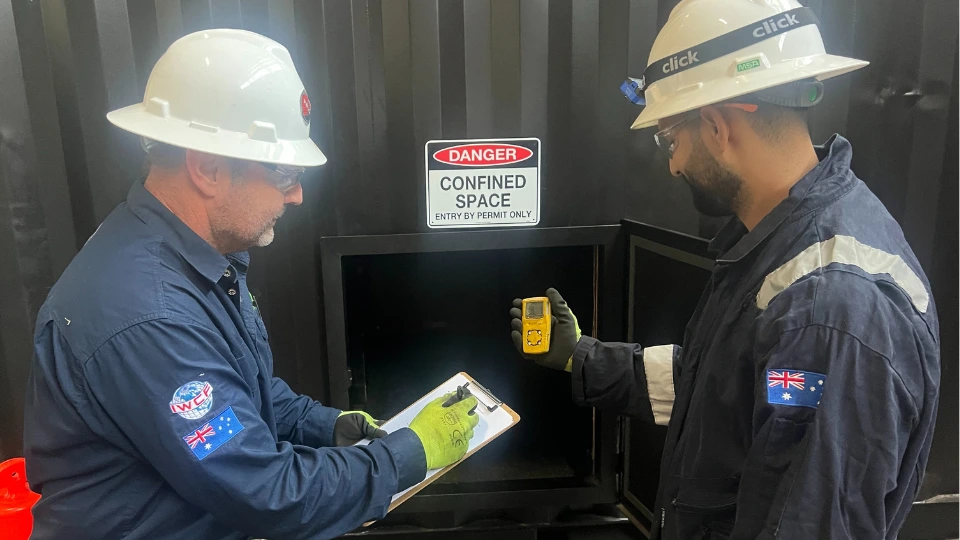
While many training providers specialise in a narrow field, AWCC operates across multiple sectors, delivering the skills Queensland’s workforce needs no matter where they are deployed. Our programs cover essential construction competencies such as white card, working at heights, confined space entry, gas test atmospheres and permit to work, alongside advanced safety and compliance training. We also deliver industry-leading oil and gas training, including well control, drilling fundamentals and specialised field-readiness programs. 

Our flagship Turbo Program continues to stand out as one of Queensland’s most effective solutions to workforce shortages. Turbo graduates enter the field with a strong grounding in safety, practical skills and industry expectations — enabling them to transition confidently into drilling, well servicing, construction and civil environments. With new gas exploration areas opening and major projects ramping up, this multi-industry readiness is becoming essential. 

AWCC’s broad capability is matched by our reach. With training centres in both Toowoomba and Brisbane, we service the Darling Downs, Surat Basin, Greater Brisbane, South East Queensland and beyond. When industry requires support in regional or remote locations, AWCC is equipped to mobilise training and deliver capability wherever it’s needed. Our flexibility ensures that major project partners — whether in construction, energy or resources — have access to the training and safety standards required to meet their obligations. 

The QMCA breakfast highlighted the importance of training providers who are truly connected to industry. The room was filled with contractors, engineers, civil and energy leaders, procurement specialists and government stakeholders — all searching for the same answer: Where will the skilled workforce come from? AWCC remains part of this conversation because we understand that training must reflect the realities of the work, the pressures of project timelines, and the non-negotiable commitment to safety that underpins every major development. 

This genuine industry alignment is what sets AWCC apart. 
We are not simply delivering courses — we are contributing to Queensland’s capability. 
We are not observing industry change — we are supporting the people who drive it. 
We are not bound to one region — we are ready to serve the entire state. 

As Queensland enters a golden era of construction, energy and resource development, AWCC will continue to strengthen the state’s workforce, support regional and metropolitan growth, and ensure Queensland has the talent needed to deliver its ambitious pipeline. 

AWCC is proud to help build Queensland’s future — one skilled, confident and competent worker at a time, in every region that needs us. 


Continue reading

Remembrance Day – A Veteran’s Reflection


Every year on the 11th of November, the nation falls silent for one minute — a moment of deep reflection and gratitude known as Remembrance Day. It’s not just a date on the calendar or a ceremony marked by poppies and bugles; it’s a time to pause, to remember, and to honour the men and women who served and sacrificed for the freedoms we enjoy today.

What Remembrance Day Is About

Remembrance Day marks the end of World War I, when, at 11 a.m. on the 11th day of the 11th month in 1918, the guns finally fell silent on the Western Front. It was the moment that ended one of the deadliest conflicts in human history — a war that claimed over 60,000 Australian lives and wounded countless more.

But Remembrance Day has grown to represent much more than that. Today, it stands as a symbol of respect for all Australians who have served in wars, conflicts, and peacekeeping missions around the world. From Gallipoli to Kokoda, from Vietnam to Afghanistan, it honours not just those who never came home, but also those who did — forever changed by their experiences.

How We Honour Them

We wear a red poppy, a symbol born from the battlefields of Flanders, where bright flowers grew amid the devastation. We gather at cenotaphs and memorials, in small towns and big cities, united in silence. We hear the haunting sound of the Last Post, reminding us that those who served deserve eternal rest, and that their memory should never fade.

But perhaps the most important way to honour them is through how we live, by being kind, by helping others, by appreciating the peace and opportunity that their courage made possible.

Lest We Forget

Those three words — Lest We Forget — carry weight. They’re a promise. A promise that we will not forget the fallen, nor the lessons of the past. For veterans, for families, for every Australian — Remembrance Day is a moment to reflect on who we are and what we owe to those who came before us.

So this November 11th, when the clock strikes 11, take a minute. Close your eyes. Remember their names, their faces, and their sacrifice. Because remembering isn’t just something we do once a year, it’s something we carry in our hearts, always.


Continue reading

AWCC Delivers Flange Training Across Regional Queensland


On the 6th and 7th of November, one of our experienced AWCC trainers travelled to Outback Queensland, focusing on the Roma region, to deliver two comprehensive PMASUP245 Break and Make Flanged Joints Using Hand Tools courses. These sessions form an essential part of our ongoing commitment to supporting industry personnel with the practical skills and safety knowledge required to work effectively in high-pressure environments.

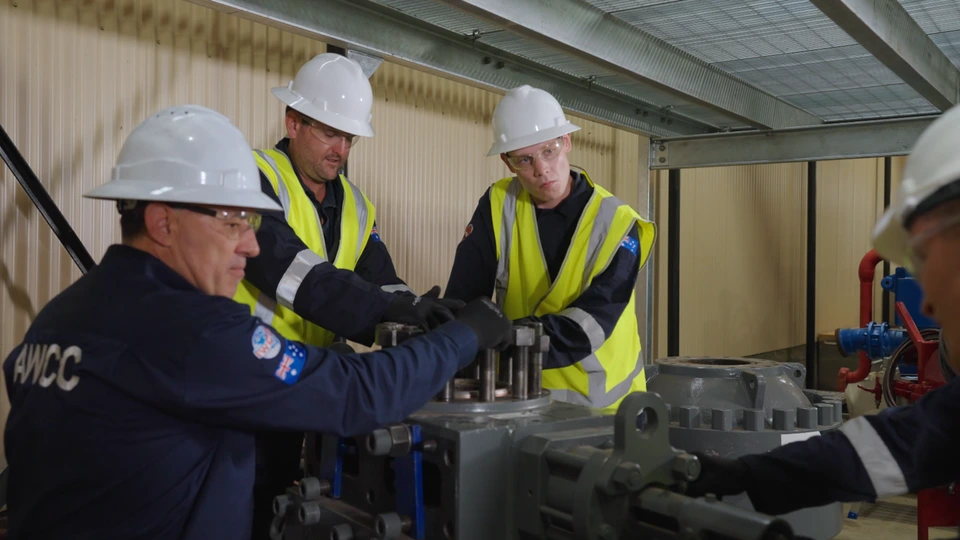
The Make and Break Flange Course is a critical component of safe operations across oil and gas, energy, and industrial settings. Flange joints are engineered to withstand immense pressure, and incorrect handling can lead to significant safety risks. Throughout the training, safety remained our highest priority, with strong emphasis placed on correct procedures, hazard awareness, and the use of appropriate tools and equipment. Students engaged in both theoretical and practical learning, gaining confidence in identifying, assembling, disassembling, and maintaining flange joints to industry standards. Feedback from attendees was overwhelmingly positive, with many highlighting the value of hands-on instruction, real-world demonstrations, and the extensive expertise of our trainer.

In addition to delivering training onsite across regional and remote Queensland, AWCC also conducts Make and Break Flange training at our dedicated training centres in Toowoomba and Brisbane, ensuring accessible options for both local and travelling participants. This training also complements AWCC’s broader development pathway, including programs like our Turbo Cert II Program (RII21120 Certificate II in Oil & Gas Drilling (Onshore) and Well Servicing) designed to fast-track new entrants into the oil and gas industry with essential skills and nationally recognised qualifications. For individuals looking to begin or advance their careers, combining foundational programs like Turbo Cert II with specialised technical training—such as Make and Break Flange—creates a strong, job-ready skillset.

At AWCC, we remain committed to delivering high-quality training across regional and remote areas. We’re proud to play a role in enhancing safety, capability, and workforce readiness across Queensland’s vital energy and resources sector.


Continue reading

Insights from the Safer Together Drilling and Completions Incident Review Panel


The recent Drilling and Completion Industry Incident Review Panel, held in Brisbane by Safer Together  brought together operators, contractors, safety leaders and industry trainers to address the issues that continue to challenge the oil and gas sector. AWCC was proud to be part of these conversations, the kind that don’t just analyse incidents, but drive real change in the field. 

Hand and finger injuries remain one of the most persistent risks in the drilling and completions environment. Despite improved Safe Systems of Work and stronger procedural controls, the panel highlighted that paperwork alone does not stop injuries, innovation does. Several examples demonstrated how simple engineering adjustments can completely eliminate exposure. One operator presented a redesigned rod tong safe-hand load system where a set of guide rails prevents fingers from ever entering the line of fire while loading into a basket. A small modification, yet one that removes almost all chance of hand entrapment. Another case saw a worker lose balance and fall backwards onto a tool rack. Rather than accept it as human error, the site redesigned the rack with a protective guard — a minimal-cost change that now prevents a serious injury. 

These examples reinforced a message AWCC has championed for years: engineering controls and practical redesigns outperform paperwork every time. The best safety solutions often aren’t complicated — they’re smart, simple and built from understanding how real work happens in the field. 

The panel also discussed the power of mechanical advantage in preventing crush injuries. Too often, heavy manual handling leads to injuries even when SSOWs are followed, simply because the risk was misunderstood or the wrong equipment was used. The discussion emphasised the need for crews to think about leverage, mechanical lifting, and ergonomics as part of planning, not an afterthought. It was a timely reminder that the safest worker is the one who understands why a task is done a certain way — not just how. 

As we head into the Christmas period, road safety was another major focus. Open highways, caravans, fatigue, and increased traffic create a perfect storm for incidents involving remote oil and gas crews. The panel stressed the importance of situational awareness, managing closing speeds, avoiding frustration when caravans restrict flow, and knowing how to react when incidents unfold ahead. Road travel remains one of the highest-risk activities in our industry, and the message was simple: slow down, plan ahead and respect the conditions. 

Innovations in IVMS also took centre stage. Many companies are now integrating IVMS data directly into daily reporting, producing live dashboard-style summaries that highlight behaviour trends rather than punish individuals. The shift is clear — the industry is moving away from blame and toward solutions. Real-time, transparent data helps crews improve their driving, manage fatigue and build safer habits without the stigma of disciplinary “gotcha” reporting. It’s a mature, professional shift in safety leadership. 

The panel also encouraged broader adoption of the Self-Service Employee Management (SSEM) tools available through Safer Together, empowering workers to take responsibility for their own safety profiles, competencies and improvements. These tools reinforce a culture where everyone — not just supervisors — contributes to keeping the field safe. 

To close the event, Queensland State of Origin legend Billy Moore delivered an unexpected but powerful message. He spoke about communication under pressure, teamwork, resilience, and — most importantly — having the right people on the bus. Whether in sport or industry, success depends on choosing the people who understand the mission, share the values, and bring the right attitude to every challenge. 

For AWCC, that message hit home. Our trainers, assessors and leaders come from the industry, train for the industry, and are committed to improving the industry. We don’t just tick boxes or churn out certificates — we help build safer crews, stronger teams and better decisions at the wellsite. Not every organisation can say the same. Some talk about safety from the sidelines. AWCC stands in the arena, shoulder to shoulder with the people doing the work. 

Events like the Incident Review Panel reinforce why we exist: to support a safer, smarter and more capable workforce across drilling and completions. When the industry discusses real problems, AWCC is there. When innovation is showcased, we listen and bring those lessons into our training rooms. And when leaders talk about getting the right people on the bus, we know exactly what that means — because at AWCC, that’s who we are. 

A safer industry starts with the right people, the right training and the right mindset. AWCC is proud to be part of the solution. 


Continue reading

Movember Matters: Supporting the Mental Health of Oil & Gas Workers 


Each November, moustaches of every shape and size start appearing across the oil and gas sector. But behind the fun and friendly competition lies something far more serious. Movember has become one of the world’s most important campaigns for men’s health — shining a light on mental health, suicide prevention, and the pressures faced by men in demanding industries. 

For the thousands of workers who make up Australia’s oil and gas workforce, the message could not be more relevant. 

Life in oil and gas is rewarding, but it is rarely simple. Workers endure long swings away from home, unpredictable rosters, harsh environments, and the constant pressure to perform safely and efficiently. Many are working 12-hour shifts, day after day, with limited downtime and even less connection to their support networks. 

These conditions don’t just test physical endurance — they test mental and emotional resilience. 

Isolation, fatigue, stress, relationship pressures, financial strain, and the expectation to simply “push through” all contribute to a psychosocial load that often goes unnoticed until it becomes overwhelming. For some, the bravado expected on site becomes a barrier to speaking openly about how they’re really coping. 

In an industry built on strength, silence is all too common. 

As the Christmas period approaches, these pressures can intensify. December brings deadlines, shutdowns, travel, and roster disruptions — and many workers miss important family moments or spend the festive season away from home entirely. 

For others, financial stress heightens as they try to provide for their families during the most expensive time of year. For some, it’s a reminder of loved ones they’ve lost or relationships under strain. 

It’s a time when many feel they should be happy — which makes it even harder to admit when they’re not. 

Movember is a reminder that wellbeing is not a luxury; it’s essential. It encourages workers, crews, and leaders to talk openly, check in on one another, and normalise conversations about mental health. 

Across the AWCC training centres, we see firsthand the challenges workers face and the pride they take in their roles. We also see the difference a single conversation can make. Movember invites us to start that conversation, and more importantly, to keep it going long after November ends. 

The concept of psychosocial safety no longer sits in the background; it is now a recognised and regulated part of the safety framework. Stress, bullying, isolation, lack of support, unreasonable demands, and fatigue are all considered hazards, just as real as equipment failures. 

The oil and gas industry is particularly vulnerable to these hazards due to shift work, remote operations, and the pressure to maintain production and safety standards simultaneously. 

Addressing psychosocial risks is not just a legislative requirement — it is an investment in people. 

As the year draws to a close, AWCC encourages every worker — whether you’re on a rig, at a camp, in a control room, or travelling home between swings — to take a moment to check in with yourself and your mates. 

Ask the simple questions: 
How am I really going? 
How are my mates going? 
Do I need to talk to someone? 

Reaching out doesn’t make you weak. In fact, it’s one of the strongest things you can do. 

And listening — really listening — may be the support someone else is desperately waiting for. 

Movember may last only one month, but its message resonates all year: 
Look after yourself. Look after your mates. Look after your mental health. 

This November, if you grow one thing, let it be awareness — awareness of how you’re travelling, and awareness of the people around you who might need a conversation, a check-in, or simply someone who notices. 

From all of us at the Australian Well Control Centre, thank you for the work you do, the sacrifices you make, and the strength you bring to an industry that keeps Australia moving. 

This Movember, let’s stand strong together — on site, at home, and in our communities — and make mental health a priority for every worker, especially as Christmas draws near. 

If you or anyone close to you is finding things tough right now, help is only a call away:

  • Lifeline: 13 11 14
  • Suicide Call Back Service: 1300 659 467
  • Beyond Blue: 1300 224 636
  • SANE Australia: 1800 18 72

Continue reading

Wrapping Up Another Big Month of IWCF Well Control Training


October once again demonstrated why the Australian Well Control Centre (AWCC) stands as the nation’s premier destination for IWCF Well Control training. Both our Toowoomba and Brisbane centres delivered exceptional outcomes, maintaining the high standards that have become synonymous with the AWCC name.

Across both facilities, students achieved outstanding results, a reflection of our commitment to excellence, the quality of our delivery, and the depth of our trainers’ real-world experience. Every session reinforced what industry partners already know: results and numbers do not lie. AWCC continues to deliver consistency, competence, and confidence, course after course, month after month.

Unmatched Expertise and Responsiveness

October also highlighted AWCC’s ability to deliver at short notice, when industry called for a Subsea Well Control program, our team was able to stand it up immediately.

This agility is powered by our in-house technical expertise, accredited trainers, and deep operational knowledge across drilling and well servicing disciplines. At AWCC, we don’t just run courses, we deliver operational readiness backed by decades of combined field experience.


And as you can see from the smiles in these photos, the camaraderie that develops along the way is just as valuable as the technical skills gained.

Industry-Experienced Trainers – Setting the Standard

Every AWCC instructor brings current, verifiable field experience to the classroom. They’ve worked in live well environments — from rig floors to subsea control rooms — and understand the realities that operators face every day.

That authenticity translates into training that’s practical, credible, and industry-respected, ensuring every participant leaves equipped with the confidence and knowledge to perform safely and effectively.

Delivering Confidence, Capability, and Results

The October achievements reinforce AWCC’s long-standing reputation for excellence. Our focus remains clear, to provide the highest standard of well control education in Australia, supported by modern facilities, realistic simulations, and trainers who live and breathe the industry.

As the year moves forward, AWCC remains ready to respond to industry needs — onshore or offshore, surface or subsea.

When it comes to well control training, AWCC continues to set the benchmark that others follow.


To make the experience even better, every student who enrols in our Well Control courses receives an AWCC merch pack, complete with a backpack, pens, pencil case, coffee cup and other goodies. A small way to say thank you, and to welcome them into the AWCC community. 

A huge thank you to everyone who trained with us this month, your effort, attitude, and commitment to safety make all the difference. 👏

If you’re ready to take the next step in your oil and gas career, or refresh your certification, explore AWCC’s IWCF Well Control training programs today.

👉 Learn more about our Well Control courses


Continue reading

How AWCC’s Turbo Cert II Paved the Way for the Revolutionary Turbo Cert III


When the Australian Well Control Centre (AWCC) first launched the Turbo Cert II Program in February 2024, it marked the first time in 27 years that the organisation had designed and implemented a brand-new training program from the ground up. This bold step was taken in response to a growing industry need: a faster, smarter, and more efficient way to prepare new starters in the Oil & Gas Drilling and Well Servicing sectors across Brisbane, Toowoomba, and regional Queensland.

Meeting Industry Needs with Turbo Cert II

Eighteen months later, the Turbo Cert II Program has become an award-winning success story, widely recognised as the new standard for entry-level drilling and well servicing training. Supported by nearly every Drilling Contractor in Queensland, the program’s innovative approach has helped redefine how new workers enter the industry.

So much so, that many Drilling Contractor job advertisements now list holding a RII21120 Certificate II in Oil & Gas Drilling (Onshore) and Well Servicing as a preferred qualification — a clear testament to AWCC’s positive influence on workforce standards and safety culture.

Listening to Graduates and Industry

The overwhelming success of Turbo Cert II naturally sparked the next question from graduates and employers alike: “What’s next?”

Recognising this demand, AWCC saw the need to create a learning pathway that would allow current field workers and industry professionals to continue their studies efficiently, without compromising on the quality and rigour that has become synonymous with AWCC.

Rather than taking shortcuts, AWCC committed to developing a Turbo Cert III Program that would match, and exceed, industry expectations for advanced Oil & Gas Drilling and Well Servicing training.

The Challenges Behind Turbo Cert III

Creating Turbo Cert III has been no small task. Unlike its predecessor, this advanced program had to combine two separate nationally recognised qualifications

  • RII32020 Certificate III in Drilling Oil & Gas (Onshore), and
  • RII32220 Certificate III in Well Servicing Operations
    into a single, time-efficient, and cost-effective training pathway.

Certificate III-level training is not designed for new starters. It includes specialised knowledge such as:

  • Oil and Gas Well Control,
  • Rig Drilling Fluids Transfer,
  • Chemical Additives for Drilling Fluids, and
  • Maintenance of Mud Cleaning Equipment.

To meet these advanced requirements, AWCC had to design and construct a one-of-a-kind training simulator capable of delivering hands-on, nationally accredited practical training. This initiative has led to the creation of Australia’s only Oil and Gas Fluids Transfer Unit — purpose-built by AWCC specifically for Certificate III training.

Unmatched Investment and Innovation

AWCC’s commitment to this project has been extraordinary. Over $150,000 has been invested into upgrading all Well Control Simulation Units and developing a comprehensive set of clustered training resources. These resources are carefully mapped to cover all elements and performance criteria of both Certificate III qualifications — offering one streamlined Turbo Cert III Program that provides full coverage at a significantly reduced cost for students and employers alike.

To achieve this, AWCC collaborated with international service providers to upgrade simulator capabilities and oversee the construction of the Fluids Transfer Unit (FTU).


  • The new Well Control Simulators arrived in September 2025, marking another milestone in AWCC’s capability enhancement.
  • The Fluids Transfer Unit (FTU) is expected to arrive in early November 2025, completing the final piece of this ambitious, world-class training system.

Commitment Beyond Compliance

Since industry training became mandatory in 1997, no other Registered Training Organisation (RTO) has undertaken such a comprehensive, technically demanding, and financially significant project.

AWCC’s success comes not from self-promotion, but from a deep commitment to industry safety, innovation, and continuous improvement. Our team’s expertise in Well Control, Mechanical Engineering, and Petroleum Engineering has allowed us to create a training ecosystem that genuinely supports the growth and development of Australia’s drilling workforce.

From Brisbane to Toowoomba and across Queensland’s resource regions, AWCC remains dedicated to equipping workers with the skills, safety mindset, and technical knowledge that keep our industry strong — and our people safe.

The Future of Drilling Training Starts Here

The upcoming launch of Turbo Cert III represents more than a new qualification; it’s the next step in raising the bar for drilling and well servicing education. Through years of research, collaboration, and unwavering dedication, AWCC has demonstrated what’s possible when passion meets purpose.

By investing in both people and technology, we’re helping ensure a sustainable, skilled, and safety-focused workforce for generations to come.

Stay Tuned for Updates

This story is only just beginning. The Turbo Cert III Program is set to redefine advanced training in the oil and gas sector, and we’re excited to share every milestone with our community.

AWCC will feature this as the lead article in our upcoming newsletter series and will provide regular progress updates on the rollout of this landmark project over the coming months.

Stay connected with us for the latest news, behind-the-scenes insights, and updates on training opportunities across Brisbane, Toowoomba, and the wider Queensland drilling industry.


Continue reading

Celebrating Teachers: World Teachers’ Day 2025


This World Teachers’ Day, held on 31 October 2025, we join in celebrating the incredible educators who dedicate their time, knowledge, and passion to shaping the future, both in classrooms and in training environments across Australia.

At the Australian Well Control Centre (AWCC), our trainers do more than deliver courses, they inspire confidence, build capability, and empower the next generation of safe and skilled workers. Every session they lead contributes to safer worksites and stronger industries.

This year’s theme, “Celebrating Teachers,” is a reminder of the vital role educators play in every sector. In our field, effective teaching means more than transferring knowledge, it’s about ensuring every student leaves with the skills and mindset to protect themselves and others on site.

👷‍♂️ To our AWCC trainers: thank you for your ongoing commitment to safety, quality, and lifelong learning. Your dedication helps transform training into real-world confidence and makes a lasting impact on Australia’s workforce.

Let’s take this opportunity to recognise and celebrate the teachers who guide, motivate, and make a difference every day.

🎓 Learn from industry-experienced trainers who are passionate about safety and skill development.
Explore our upcoming courses 👉 https://www.wellcontrolcentre.com.au/courses/


Continue reading

The Offshore Slowdown and What’s Next for Australia’s Energy Workforce


It’s a challenging time in offshore drilling across Australia. 
Four offshore rigs have recently gone off contract, leaving hundreds of skilled oil and gas workers without roles. Right now, only three rigs remain active in Australian waters. 

The impact goes beyond the rig floor. We’re seeing similar trends across the UK, the Middle East and Asia: rigs stacking, contracts tightening, and highly trained crews navigating uncertainty once again. 

But amid the slowdown, there are positive signs in the pipeline. 
The Australian Government, through NOPTA and Geoscience Australia, is preparing the next offshore petroleum exploration acreage release, which will open new opportunities for exploration and drilling contractors. 

Meanwhile, Amplitude Energy (formerly Cooper Energy) has submitted an environment plan for the Otway Basin, with a proposed drilling campaign beginning in April 2026. ConocoPhillips and partners are also moving ahead with a significant gas exploration program in the same region (permits Vic/P79 and T/49P), with the Transocean Equinox rig contracted for a multi-year campaign extending to 2028. 

These developments highlight that while the present feels slow, the Australian energy sector is preparing for its next cycle, one that blends traditional oil and gas operations with emerging energy transition projects such as carbon capture, decommissioning, and renewables integration. 

At the Australian Well Control Centre (AWCC), we’re focused on helping the workforce stay job-ready for that next phase. 
We continue to: 

  • Deliver well control training, IWCF renewals, and drilling safety training aligned to RII qualifications. 
  • Provide RTO-accredited oil and gas training that keeps workers compliant, confident, and employable across both onshore and offshore environments. 
  • Support FIFO training programs and career-transition pathways into decommissioning, maintenance, and new-energy projects. 
  • Build energy workforce readiness through competency-based training and industry partnerships. 

The feast-or-famine cycle has always been part of offshore life, but readiness and resilience will define who’s best placed when the next wave hits. 

To everyone affected by the current downturn, we see you, we understand it, and we believe in what’s coming next. 
Let’s stay skilled, connected, and ready for the next opportunity. 


Continue reading

From Toowoomba to the World: How AWCC is Becoming Australia’s Training Powerhouse


While many training providers claim to prepare people for the energy industry, the Australian Well Control Centre (AWCC) is proving it every single week. From its Toowoomba training centre on the Darling Downs to its expanding Brisbane facility, AWCC is redefining what quality training looks like in Australia’s oil, gas, and energy sectors, blending world-class expertise, hands-on realism, and genuine community engagement. 

October was a landmark month for the AWCC team. Across both centres, the rhythm of industry-focused learning continued with an impressive schedule of weekly short courses covering well control training, Industry Safety Induction (ISI) both face-to-face and online, as well as forklift operations, Dangerous Goods, and a full suite of safety training programs in confined space, heights, breathing apparatus, and fire response.

Each session was guided by trainers who have lived the work — people who bring field experience, not just classroom theory. This practical, experience-driven approach is what sets AWCC apart, ensuring every participant leaves with the confidence, competence, and mindset to work safely and effectively.

🎥 Check out the videos below:

  • Working at Heights Testimonial — hear directly from one of our students about their training experience and the importance of safety at height.

  • Industry Safety Induction (ISI) Testimonial — see what participants have to say about starting their safety journey with AWCC.


That authenticity and commitment to job-ready outcomes have positioned AWCC as one of the most respected training businesses in Australia, earning recognition as a finalist in two categories at the 2025 Toowoomba Business Excellence Awards, Innovation & Technology and Professional Services. These accolades highlight AWCC’s ongoing investment in technology, people, and the regions it serves. 

But the momentum didn’t stop there. This month, AWCC proudly welcomed a delegation of international visitors from China, showcasing Australia’s world-class approach to well control and oil and gas safety training. The visit reinforced AWCC’s growing international reputation and demonstrated how Australian training standards continue to set benchmarks globally. From regional Queensland to the global stage, AWCC has become a recognised name synonymous with excellence in Well Control, industry training, safety, and workforce capability. 

Back home, AWCC’s leadership team has been busy strengthening ties between education, business, and community. Presentations to local high schools and educators introduced students to the real opportunities that exist within the energy sector and helped teachers better understand what “life after school” can look like for technically minded learners. The team also joined the First Nation Business Expo both Toowoomba and Chinchilla as well invited to visited a First Nations school program, promoting Indigenous employment pathways and empowering young people to see themselves in future industry roles. These are not one-off appearances, they reflect AWCC’s long-term vision of creating equitable access to high-quality training for all Queenslanders. 

Meanwhile, the company’s flagship Turbo Program continues to deliver outstanding outcomes, with graduates gaining employment across oil and gas companies, logistics, and maintenance operations in the Surat and Bowen Basins. Each graduate success story reflects the program’s purpose: to convert training into real, sustainable careers.

Throughout October, AWCC also participated in major industry and innovation events including the Energy Skills Queensland Fast-Track Energy Conference and the aXcelerate Conference, where the team engaged with national leaders on the future of workforce training, compliance, and digital learning technology. Locally, AWCC was invited as a special guest at a boardroom forum focused on strategic regional development alongside other leading Queensland businesses. These engagements confirm AWCC’s status not only as a training provider but as a respected voice shaping the state’s industrial and economic direction. 

It’s this combination of practical training, community connection, and proven results that separates AWCC from the rest. Where others deliver compliance, AWCC delivers compliance with capability. Its all-weather training facilities in Toowoomba mirrors the pressures and precision of a live site, while the Brisbane training facility continues to expand its delivery of high-risk, safety, and well control training for industry partners nationwide. Every course is built by industry, for industry, ensuring every participant walks away competent, confident, and ready to contribute. 

As the year draws to a close, AWCC remains focused on what it does best: creating pathways, improving safety, and building the workforce that will power Australia’s future. From the Darling Downs to the global stage, AWCC isn’t just part of the training industry, it’s leading it. 

Explore our courses and take the next step toward your career in oil, gas, and safety training.


Continue reading