St Patrick’s Day: The Importance of Luck, and Why Training Matters More


Every year on 17 March, people around the world celebrate St Patrick’s Day — a day known for green shirts, good humour, and a bit of Irish “luck”.

But when it comes to high-risk industries like oil & gas, mining, construction, and energy, relying on luck is never part of the plan.

At the Australian Well Control Centre (AWCC), we believe safety and performance come from preparation, knowledge, and practical training — not chance.

Why Training Beats Luck on the Worksite

In industries where equipment is complex and environments are high-risk, the difference between a routine day and a serious incident often comes down to how well people are trained to respond.

That’s why AWCC focuses on real-world training experiences that prepare students for situations they may face in the field.

Our courses are designed to build confidence and competence through:

Hands-on learning with real industry equipment
Scenario-based training that reflects real worksites
Trainers with current industry experience
Structured, practical lesson delivery

When workers understand the equipment they are operating and the procedures behind it, they are far less likely to rely on luck when challenges arise.

Real Equipment. Real Skills.

AWCC is proud to offer training that goes beyond theory.

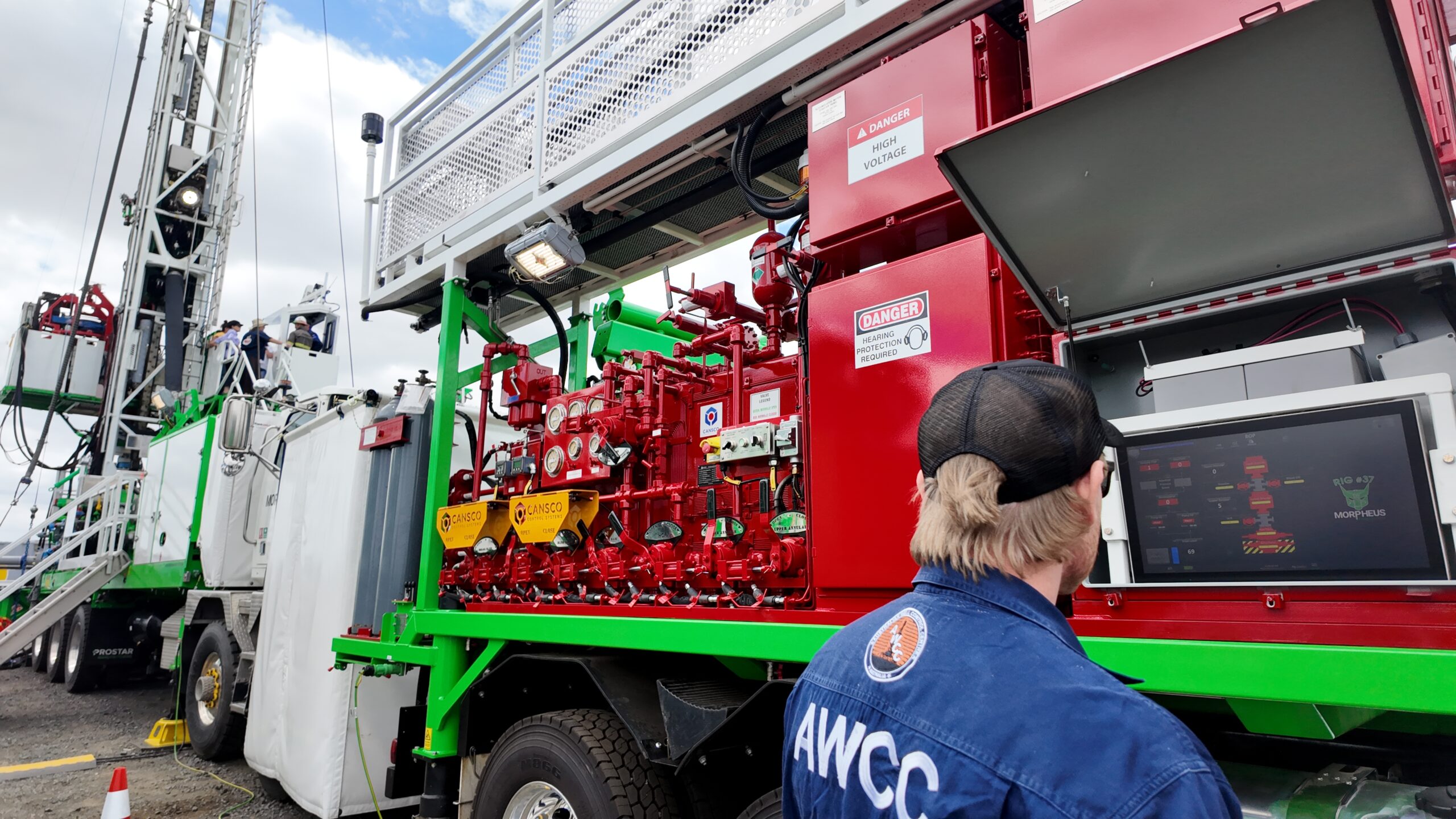
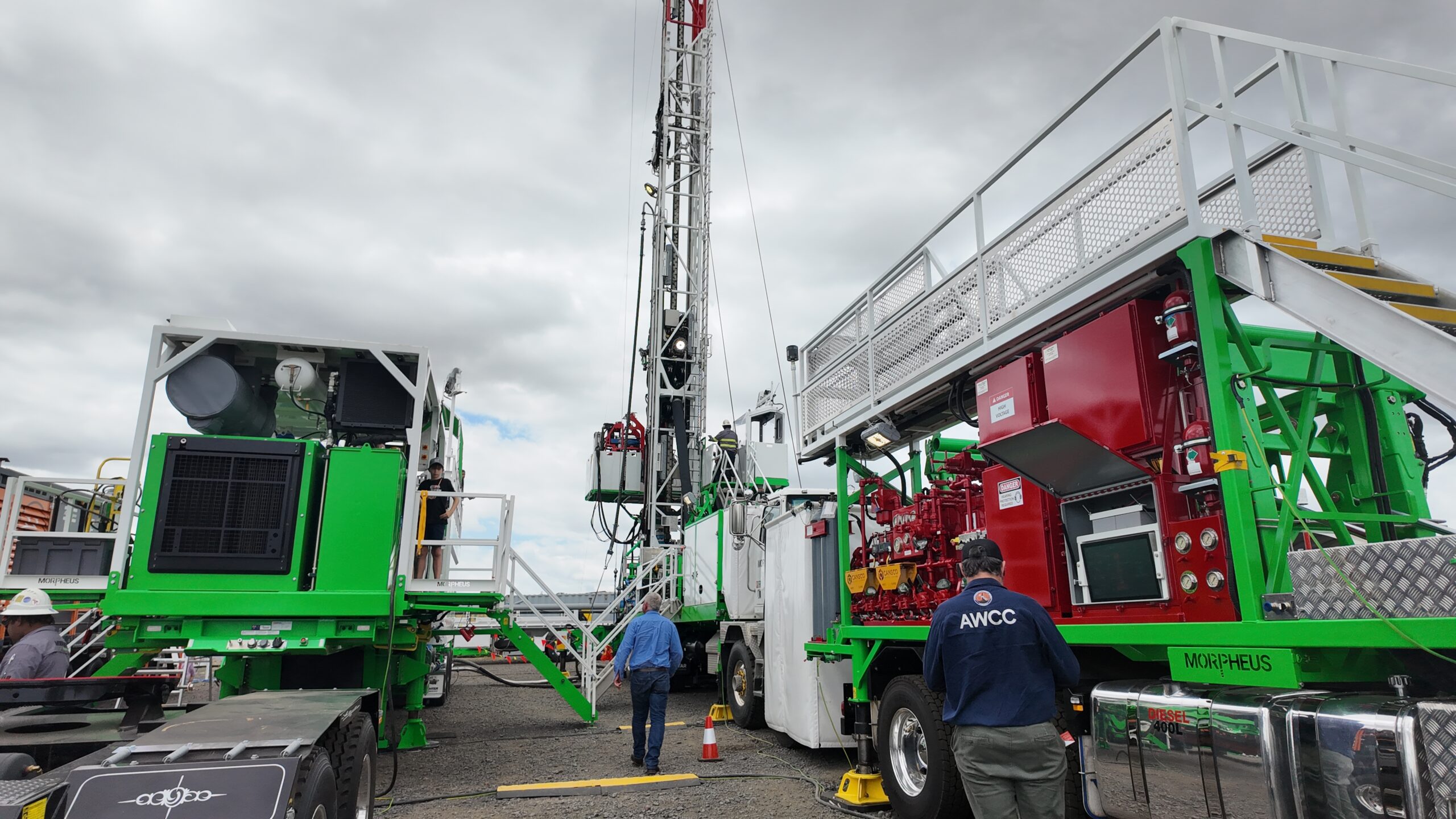
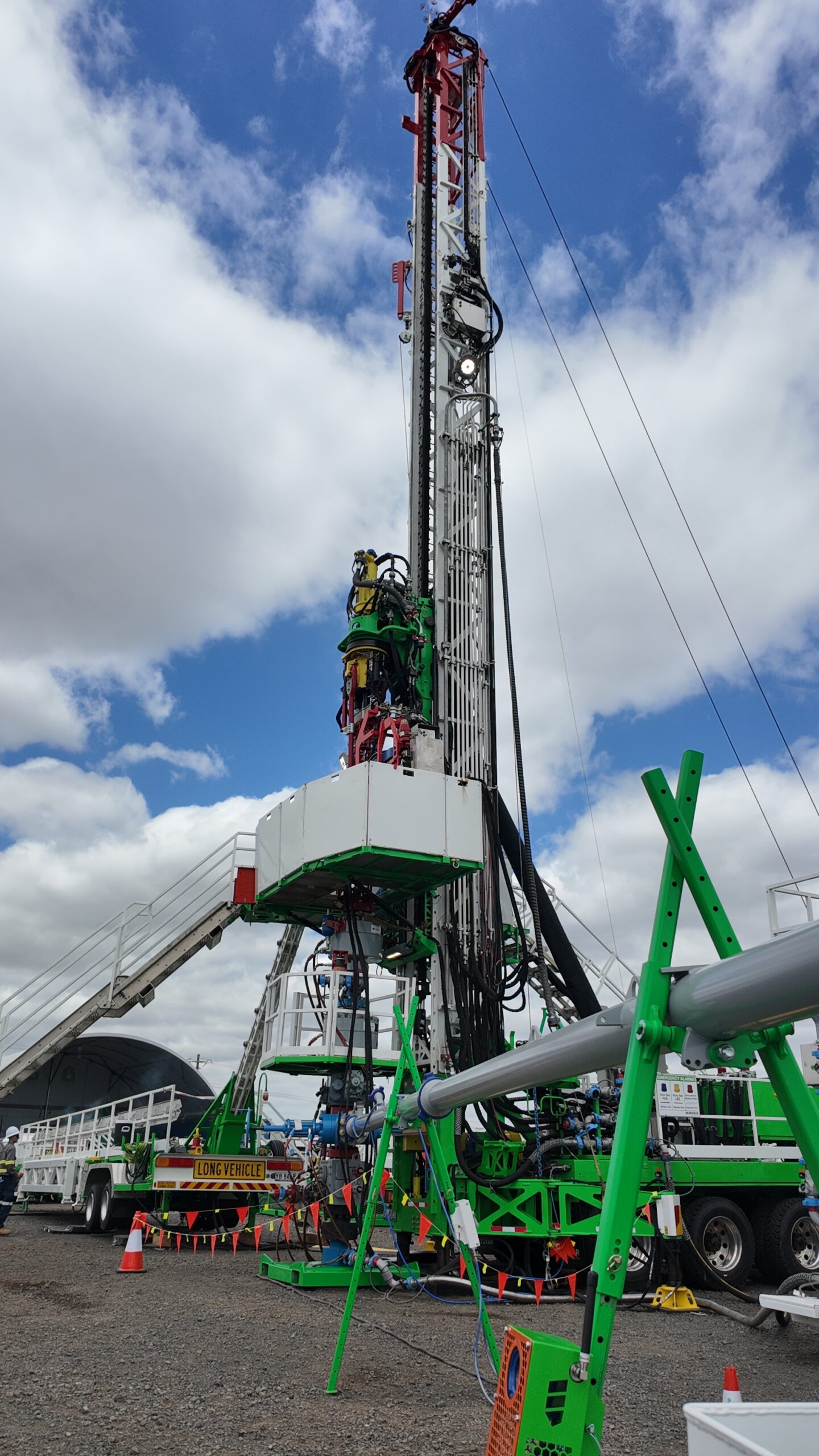
Our facilities include operational well control equipment, simulators, and industry training rigs that allow students to see and understand how systems function in real drilling environments.

This approach gives participants a deeper understanding of:

• Well control principles
• Pressure management
• Equipment operation
• Emergency response procedures

Training on real equipment builds confidence that can’t always be achieved through classroom learning alone.

Building a Safer Industry

Every student who walks through our doors is investing in their skills and their safety.

Whether it’s IWCF Well Control certification, Confined Space Entry, Gas Test Atmospheres, 4WD & Vehicle Training, or Breathing Apparatus, each course plays a role in strengthening safety culture across the industries we serve.

Because at the end of the day, safe operations rely on competent people making informed decisions.

A Little Luck Never Hurts 🍀

While AWCC will always champion training over luck, we’re happy to wish all of our students, partners, and industry colleagues a safe and successful St Patrick’s Day.

And if you’re looking to upskill this year, there’s no better time to invest in training that prepares you for the real world.


Continue reading

Why Confined Space Training Matters More Than You Think


Confined spaces exist across almost every major industry in Australia — from mining and oil & gas to agriculture, construction, utilities and plant maintenance. While these environments are common, they also present some of the most dangerous working conditions on site.

At the Australian Well Control Centre (AWCC), our Enter and Work in Confined Spaces training program equips workers with the practical knowledge and skills required to safely enter, work within, and exit confined spaces while maintaining strict compliance with WHS safety standards.

Because when it comes to confined spaces, knowledge truly saves lives.

What Is a Confined Space?

A confined space is any enclosed or partially enclosed area that:

• Is not designed for continuous human occupancy
• Has limited or restricted entry and exit points
• May contain hazardous atmospheres or dangerous conditions

Examples include:

• Storage tanks
• Silos and grain bins
• Sewer systems
• Pipelines
• Boilers and pressure vessels
• Underground vaults
• Industrial vessels and pits

Without proper procedures, these environments can quickly become deadly due to toxic gases, oxygen deficiency, engulfment hazards or flammable atmospheres.

The Silent Danger: Toxic Gases

One of the greatest risks in confined spaces is atmospheric contamination.

Gases such as hydrogen sulphide (H₂S) and carbon monoxide (CO) are colourless and often odourless, making them extremely dangerous if workers are not properly trained to detect them.

Sadly, there have been multiple tragic incidents in Australia involving confined spaces, including:

Albury Paper Mill Gas Leak (NSW) – A hydrogen sulphide leak that claimed the lives of two workers.
Broken Hill Cellar Incident (NSW) – A father and son killed due to carbon monoxide exposure.
Rainwater Tank Fatalities (NSW) – Three workers died from toxic gas exposure inside a tank.

These events highlight how quickly confined space incidents can escalate when proper atmospheric testing and procedures are not followed.

AWCC Confined Space Training

The RIIWHS202E Enter and Work in Confined Spaces course at AWCC is designed for workers across multiple industries who may be required to enter confined spaces as part of their job.

Training runs weekly in Brisbane and Toowoomba and focuses on both theoretical knowledge and practical application.

Students will learn how to:

• Identify confined spaces and potential hazards
• Interpret permits and safe work procedures
• Use atmospheric monitoring equipment
• Conduct pre-entry gas testing
• Apply lockout and tagging procedures
• Select and use appropriate PPE
• Safely enter, work within, and exit confined spaces
• Monitor atmospheres during work activities

Our training is delivered face-to-face with practical exercises using AWCC’s dedicated Confined Space and Smoke House facilities, giving students a realistic training experience.

Combine With Gas Test Atmospheres (GTA)

AWCC also offers the MSMWHS217 Gas Test Atmospheres unit alongside confined space training.

Completing both units together allows participants to:

• Reduce operational downtime
• Avoid returning for additional training days
• Gain the skills required to test atmospheres safely before entering confined spaces

Industry best practice under WHS guidelines recommends that atmospheric testing is conducted before any entry into a confined space. Combining both units ensures workers are trained to meet this expectation.

Industries That Require Confined Space Training

Confined space work is common across a wide range of industries, including:

• Oil & Gas Operations
• Mining (Underground & Open Cut)
• Civil Construction
• Engineering & Plant Maintenance
• Chemical Refineries
• Fuel Storage Facilities
• Agriculture & Farming
• Marine Maintenance
• Power Stations and Shutdown Work
• Telecommunications and NBN Projects

If your job involves tanks, pits, vessels, pipelines, or underground access points, confined space training is often a mandatory requirement.

Train With Experienced Instructors

At AWCC, training is delivered by industry-experienced instructors who bring real-world knowledge from oil & gas, mining, and industrial operations.

Our team understands the risks involved and shares practical insights that go beyond textbook learning — helping students leave the course with skills they can confidently apply on site.

Book Your Confined Space Training

The Enter and Work in Confined Spaces course runs weekly at our training facilities in Brisbane and Toowoomba.

If your role requires confined space entry or gas testing, AWCC provides practical, industry-relevant training designed to keep workers safe.

📞 07 4638 0532
📧 admin@wellcontrolcentre.com.au
🌐 View our Confined Space course here


Continue reading

International Women’s Day: Celebrating Women in Industry


International Women’s Day is an opportunity to recognise the achievements of women across all industries — including those traditionally dominated by men, such as energy, resources, construction, and heavy industry.

At the Australian Well Control Centre (AWCC), we see firsthand the growing number of women stepping into technical, operational, and leadership roles across the sector. From drilling and well servicing to safety, engineering, and operations, women continue to play an increasingly important role in shaping the future of the industry.

Breaking Barriers in the Field

Working in high-risk, technical environments requires skill, resilience, and dedication. Women across the energy and resources sector are demonstrating these qualities every day — operating equipment, managing complex projects, and leading teams on site.

Training plays an important role in supporting this progress. By providing hands-on, industry-relevant training, organisations can help ensure that all workers entering the field are confident, competent, and ready for real-world conditions.

At AWCC, we are proud to support individuals from diverse backgrounds through practical training that reflects the realities of working in industry.

Building Skills, Confidence and Opportunity

Whether it’s Well Control certification, safety training, or specialised operational courses, access to quality training helps open doors for those looking to build a career in the sector.

Our programs focus on practical learning, experienced trainers, and exposure to real equipment — helping students develop the knowledge and confidence needed to succeed in demanding environments.

As more women pursue careers in trades and technical roles, training providers and industry partners have an important role to play in supporting skill development and creating pathways into the workforce.

Looking Ahead

The future of the energy and resources sector relies on attracting and developing skilled workers from all backgrounds. Encouraging greater participation from women helps strengthen the industry, bringing new perspectives, ideas, and leadership.

On International Women’s Day, we celebrate the women already making their mark across the sector and recognise the many more who will follow.

At AWCC, we are proud to play a small role in supporting the development of the next generation of skilled professionals.


Continue reading

Security, Stability and Why East Coast Oil & Gas Matters


Across Australia’s east coast gas sector, one theme continues to shape boardroom conversations, field operations and government policy alike: security of supply.

On the surface, the market appears balanced. Regulatory outlooks indicate that near-term supply remains adequate, and investment continues across key basins. Pipeline expansions are being advanced to strengthen north–south transmission capacity ahead of future winters, and incremental upstream projects, particularly in Bass Strait, are progressing to sustain domestic availability beyond 2030.

Yet “adequate” is not the same as comfortable.

Southern demand centres are increasingly reliant on Queensland surplus gas and storage withdrawals during peak periods. That dynamic works, provided everything runs to plan. In a tighter system, however, the tolerance for disruption narrows. A maintenance overrun, an unplanned outage, or a delayed drilling program carries amplified consequences. Supply security is no longer just about how much gas exists in the ground; it is about operational reliability across the entire value chain.

At the same time, federal market reforms and ongoing debate around domestic availability are shaping commercial behavior. Regardless of political position, the signal to industry is clear: domestic supply reliability and pricing transparency are under heightened scrutiny. Investment confidence now hinges not only on geology and economics, but also on regulatory trajectory. Capital follows certainty, and certainty today requires discipline, governance and credible operational performance.

Global LNG pricing cycles add another layer of complexity. Softer export revenues through late 2025 have reinforced capital discipline across portfolios. Even in a domestically focused market, international dynamics influence drilling cadence and development timing. The east coast industry is therefore navigating a dual pressure: ensuring local supply resilience while responding to global market signals.

So why does this matter in practical terms?

Because when system buffers shrink, performance matters more. Reliability becomes a competitive advantage. Mistakes cost more. Delays ripple further. Reputational risk carries greater weight in a politically sensitive environment.

This is where workforce capability becomes central, not peripheral, to the supply conversation.

In 2026, competency is not simply a compliance requirement; it is an operational safeguard. A well control incident is no longer just a safety failure, it is a production disruption in a tight market. A confined space breach is not merely a procedural lapse, it is a reputational risk at a time when public scrutiny of the industry remains high. Emergency response capability must be more than theoretical; it must be demonstrable, current and scenario-tested.

Well control readiness remains a cornerstone of operational integrity across drilling and completions. Structured IWCF Level 3 and 4 programs, incorporating realistic simulator-based assessment, ensure that decision-making is pressure-tested before real pressure exists. For organisations reviewing current training alignment and competency requirements.

The east coast gas market is not in crisis. However, it is operating with thinner margins than in previous cycles. In that environment, credibility will be defined by consistency, consistent production, consistent compliance, consistent capability.

The “why” is straightforward.

In a tightening system, trust is built on reliability. And reliability begins with competence.


Continue reading

Low Voltage Rescue: Critical Skills for Electrical Safety


In many industries, electricity is part of daily operations. While high-voltage hazards often receive the most attention, low voltage electrical systems can be just as dangerous. Contact with low voltage (typically under 1000V AC or 1500V DC) can still result in serious injury, cardiac arrest, or even death. That’s why completing a Low Voltage Rescue (LVR) and CPR course is not just recommended — it’s critical.

Understanding the Risks of Low Voltage

Low voltage electrical systems are commonly found in construction sites, manufacturing plants, workshops, commercial facilities, oil and gas operations, and maintenance environments. Because these systems are part of everyday work, their risks are sometimes underestimated.

Even at lower voltages, electric shock can:

  • Disrupt the heart’s normal rhythm (ventricular fibrillation)
  • Cause respiratory failure
  • Lead to serious burns
  • Trigger muscle contractions that prevent a person from letting go

In many cases, the affected worker cannot free themselves. Immediate rescue and resuscitation are crucial to prevent fatal consequences.

What Is a Low Voltage Rescue and CPR Course?

A Low Voltage Rescue and CPR course provides practical, hands-on training that prepares participants to respond safely and effectively to electrical emergencies. The training typically includes:

  • Safe isolation of electrical supply
  • Rescue techniques using insulated equipment
  • Assessing an unconscious casualty
  • Performing CPR (Cardiopulmonary Resuscitation)
  • Using an Automated External Defibrillator (AED)

CPR instruction follows nationally recognised guidelines, including those from the Australian Resuscitation Council, ensuring participants are trained in current life-saving procedures.

Training Conducted at Australian Well Control Centre

At Australian Well Control Centre, the Low Voltage Rescue and CPR course is delivered by experienced trainers with strong industry backgrounds. The centre is known for providing high-quality, safety-focused training tailored to the needs of high-risk industries such as oil and gas, drilling, energy, and heavy industry.

Participants benefit from:

  • Realistic training scenarios
  • Practical, hands-on CPR assessment
  • Industry-relevant safety applications
  • Compliance-focused instruction
  • Modern training facilities

The course is designed not only to meet regulatory requirements but also to build genuine confidence and competence in emergency response situations.

Why This Training Is Essential

Immediate Action Saves Lives

In cardiac arrest situations, every minute without CPR reduces survival chances. Brain damage can occur within four to six minutes without oxygen. Proper training ensures workers can respond immediately and effectively while awaiting emergency services.

Compliance and Duty of Care

Workplace safety regulations require workers operating on or near live electrical equipment to maintain current LVR and CPR certification. Completing this training helps organisations meet compliance standards and fulfil their duty of care obligations.

Building a Strong Safety Culture

Beyond emergency response, LVR training reinforces hazard awareness, risk management, and safe isolation practices. It strengthens workplace safety culture and reduces the likelihood of incidents occurring in the first place.

Electricity is vital to modern industry, but even low voltage systems pose serious risks. A Low Voltage Rescue and CPR course equips workers with the knowledge, practical skills, and confidence to act decisively in life-threatening situations.

With professional training conducted at Australian Well Control Centre, participants gain more than certification — they gain the ability to save lives.

When it comes to electrical safety, preparation isn’t optional. It’s essential.


Continue reading

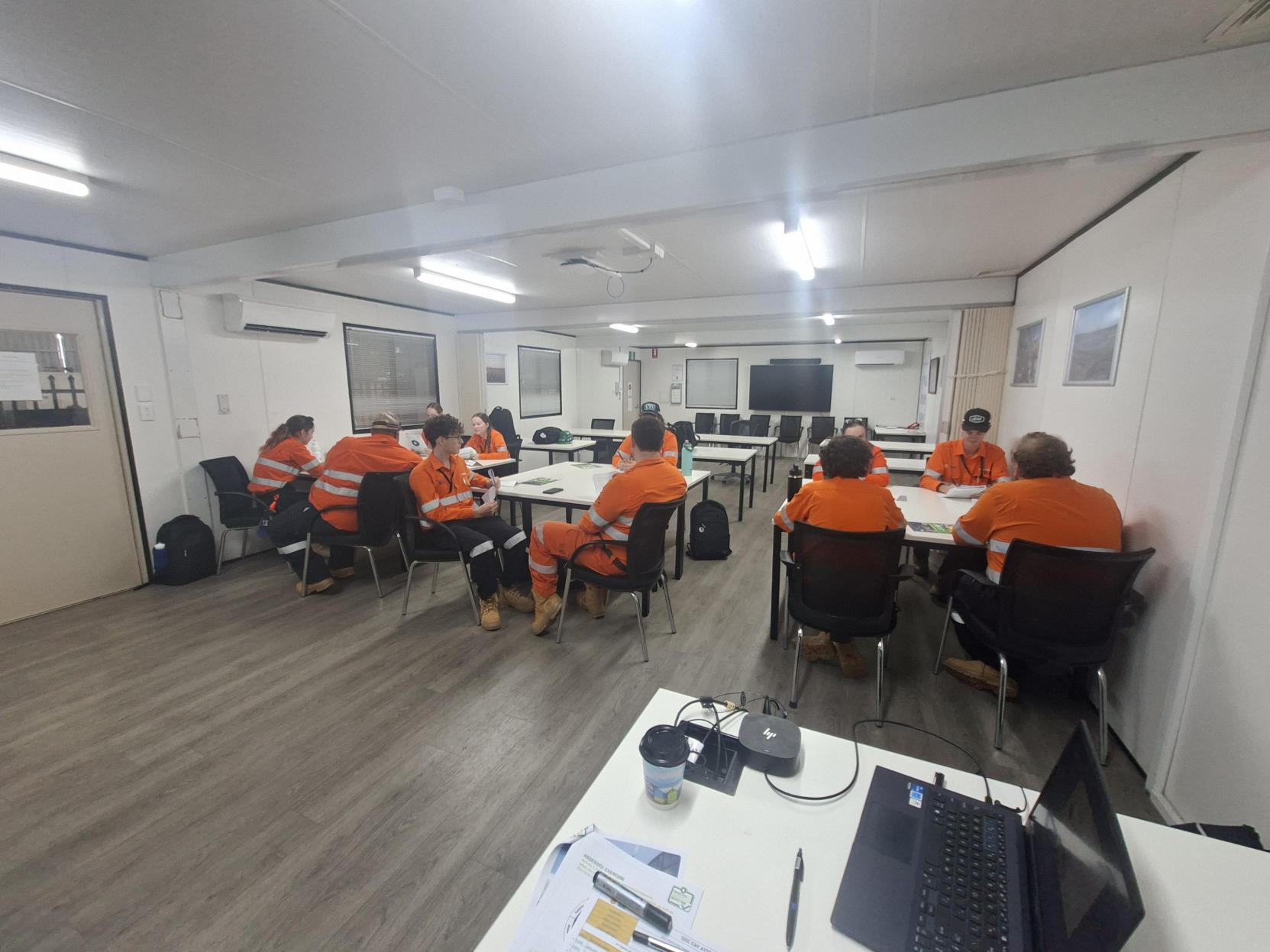
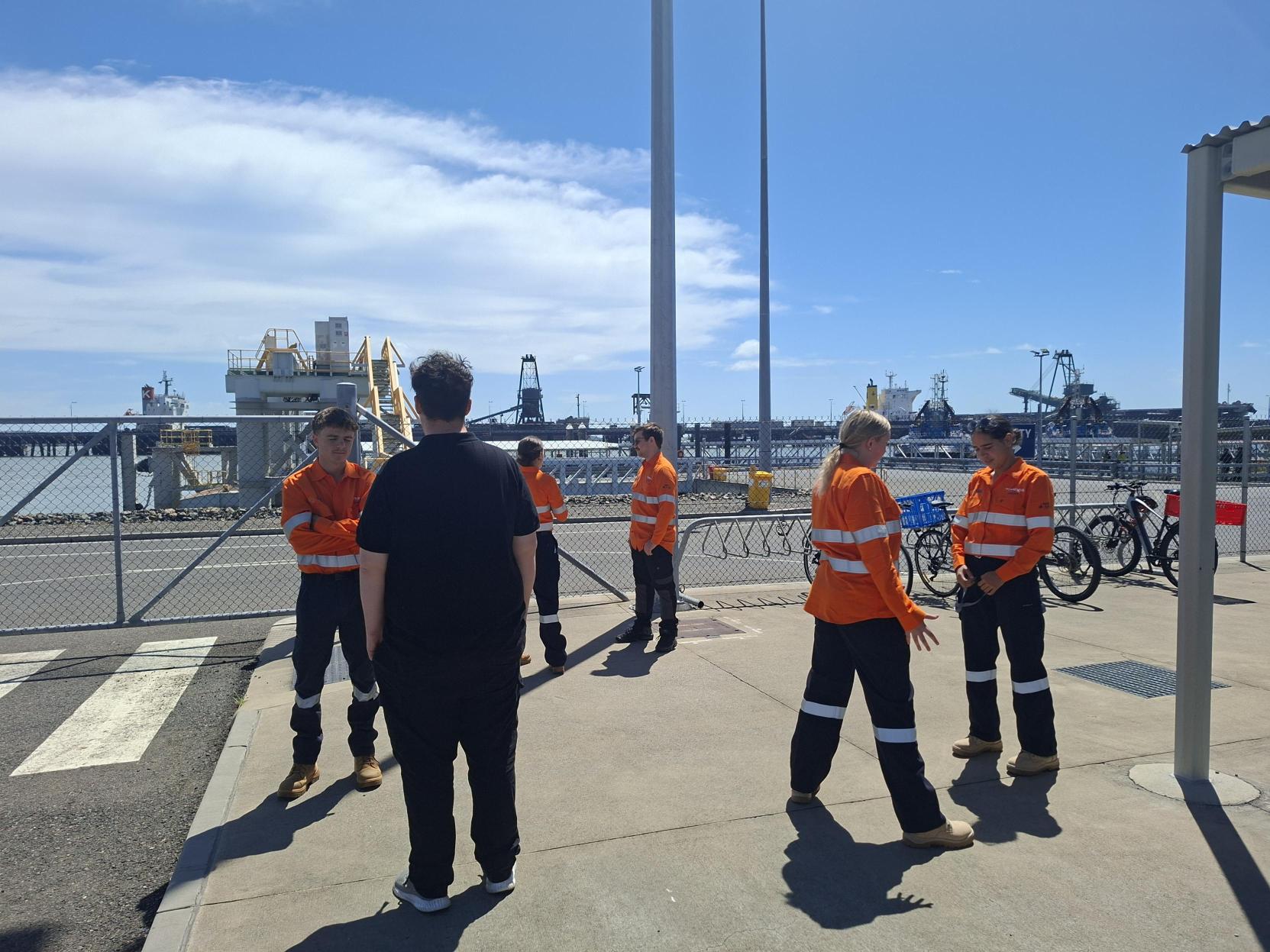
Industry Safety Induction Delivered for QGC – Gladstone & Chinchilla


In the oil and gas sector, credibility is earned in the details. It is earned in how risk is interpreted, how standards are applied, and how people are prepared before they step into live operations. Recently, the Australian Well Control Centre (AWCC) delivered Safer Together‘s Industry Safety Induction (ISI) for QGC new starters in Gladstone and Chinchilla — a program designed not merely to orient personnel, but to establish operational discipline from day one.

In high-consequence industries, induction is one of the most underestimated risk controls. When treated as a formality, it produces compliance without clarity. When treated as a strategic intervention, it shapes judgement, reinforces barrier integrity, and reduces behavioural variability before it enters the system. The delivery across both regions reflected the latter approach.

The sessions were grounded in a clear understanding of the operational realities of gas production and processing. Rather than presenting generic safety messaging, the discussion centred on the interdependent nature of upstream operations, contractor interfaces, permit-to-work systems, isolation protocols, and critical control verification. Participants were challenged to examine not just what the hazards are, but how serious incidents develop — how small deviations accumulate, how assumptions override safeguards, and how silence amplifies exposure.

This distinction matters.

For asset owners and industry leaders, the difference between awareness and competence is measurable. Competence shows itself in disciplined communication, in the correct use of permits, in the verification of energy isolation, and in the willingness to intervene when controls appear compromised. The induction delivered in Gladstone and Chinchilla was designed to reinforce these behaviours before exposure to plant, wells, and infrastructure.

Communication was treated as a primary control. Standards were positioned as engineered safeguards rather than administrative obligations. Stop-work authority was framed not as empowerment rhetoric, but as professional responsibility. Participants were reminded that safety leadership does not sit with titles; it sits with conduct. In complex environments where multiple contractors and operational pressures converge, clarity and consistency are non-negotiable.

Delivering the program across both locations ensured alignment of expectation. The messaging was consistent. The benchmark was clear. The standard did not shift between regions. For QGC, this strengthens operational reliability. For the broader industry, it reflects a commitment to disciplined integration of new personnel into high-risk environments.

In oil and gas, serious incidents rarely occur because knowledge was unavailable. They occur when systems drift, when controls are assumed rather than verified, and when behavioural standards erode over time. Effective induction interrupts that drift before it begins. It establishes the tone. It sets the baseline. It defines what “acceptable” looks like.


AWCC approaches induction as a frontline defence, not an onboarding formality. Our facilitators bring operational experience, regulatory alignment, and sector insight into every session. The focus is not on delivering slides; it is on influencing decisions. The objective is not attendance; it is preparedness.

For subject matter experts and industry partners reading this, the outcome is straightforward: when new starters walk onto QGC sites after completing the ISI, they do so with a clear understanding of risk, responsibility, and expectation. They understand the system they are entering. They understand the consequences of deviation. And they understand their role in protecting people, assets, and reputation.

In a sector where margin for error is minimal, preparation is performance.

That is the standard AWCC delivers.

If your organisation is onboarding new personnel into high-risk environments, ensure induction is treated as a strategic control, not a procedural step.

Learn more the Industry Safety Induction (ISI) program and how it can support disciplined, site-ready integration across your operations:
👉 https://www.wellcontrolcentre.com.au/courses/inductions/industry-safety-induction/

Because in oil and gas, competence begins before the first shift.


Continue reading

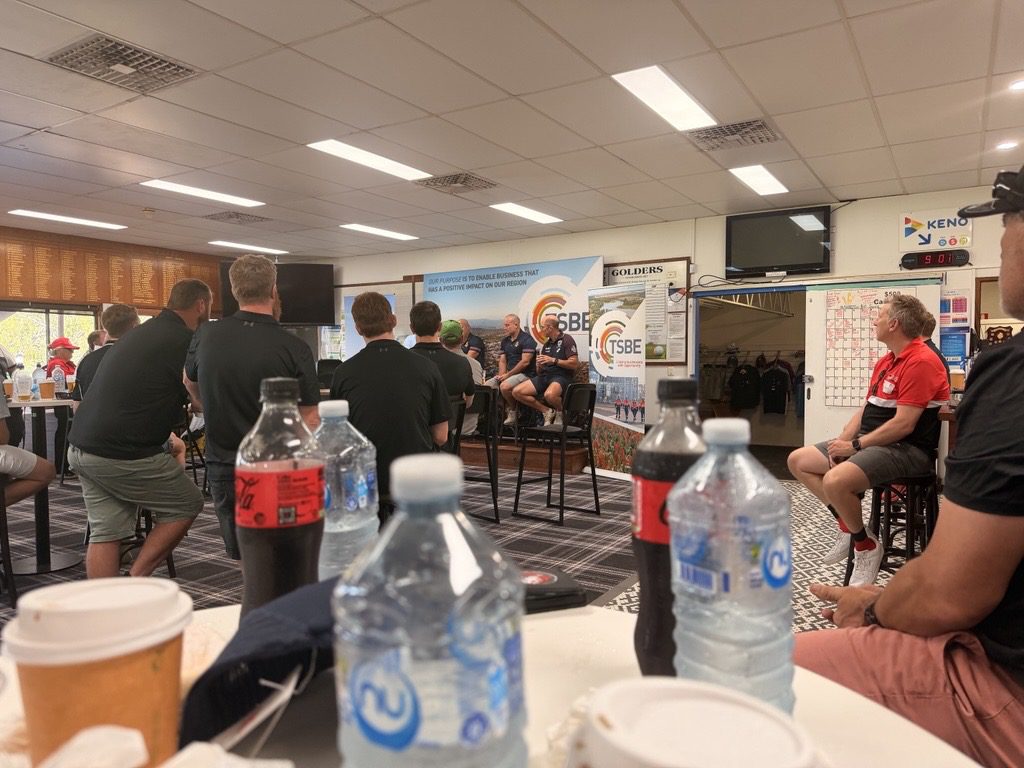
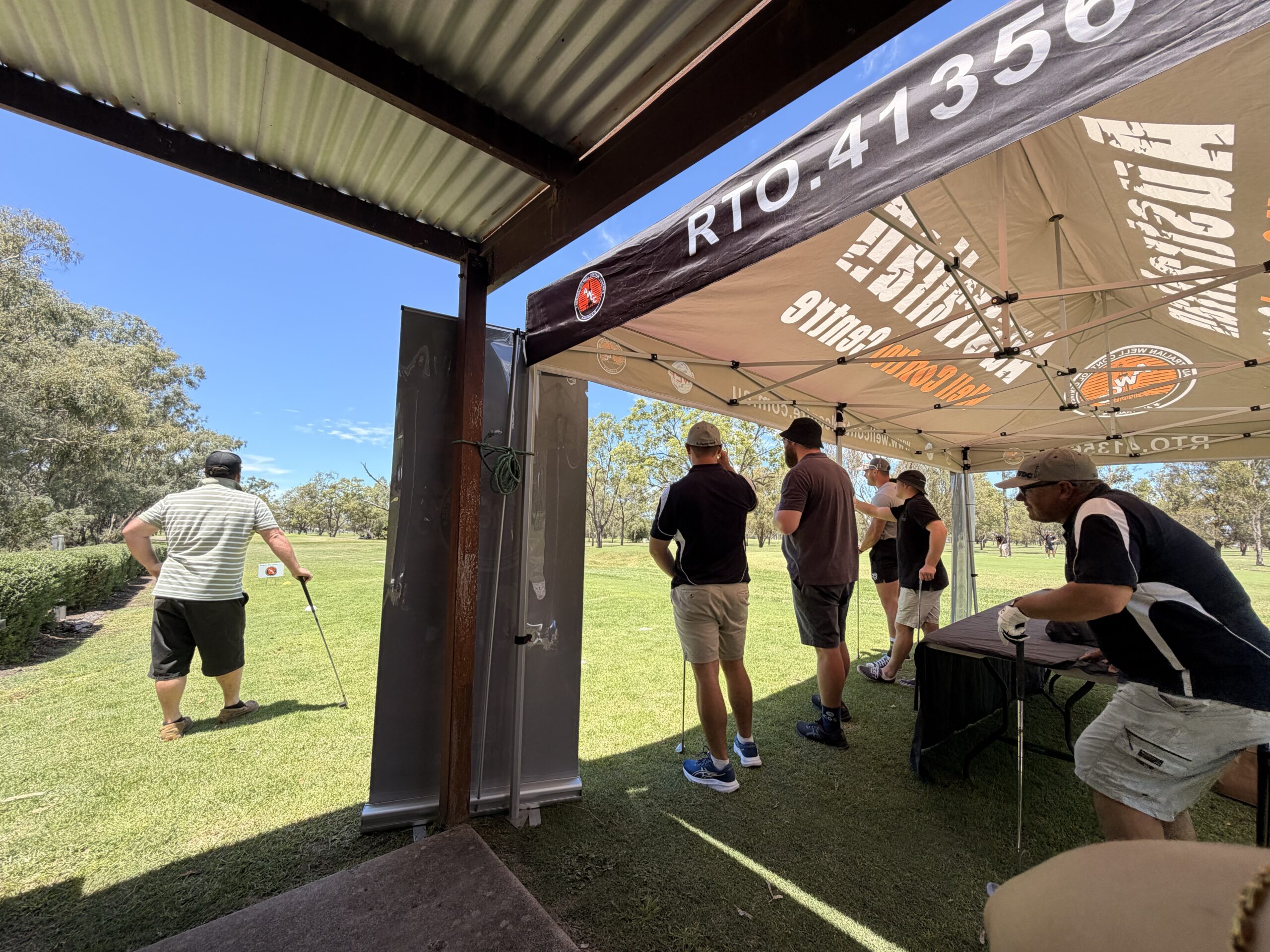
AWCC at the 2026 TSBE Surat Basin Industry Classic Corporate Golf Day


AWCC was proud to attend and support the 2026 TSBE Surat Basin Industry Classic Corporate Golf Day in Dalby, an event that brought together a wide range of key players from across the Surat Basin and the wider energy, construction and resources sectors.

From the moment the day kicked off, it was clear why events like this are so valuable to regional industry. The atmosphere was relaxed, the conversations were genuine, and the opportunity to connect face-to-face with industry partners, stakeholders and clients made for a standout networking experience.


Our team enjoyed setting up the AWCC tent and spending the day engaging with attendees from long-standing clients and industry colleagues to new contacts keen to learn more about our training offerings. These conversations are vital in helping us stay closely connected to the needs of the industry and continue delivering practical, relevant training that supports real-world operations.

The TSBE Surat Basin Industry Classic continues to play an important role in strengthening regional collaboration, fostering partnerships, and supporting the long-term growth of the energy and resources sector. We’d like to thank Toowoomba and Surat Basin Enterprise (TSBE) and all sponsors involved for putting together such a successful and well-run event.

AWCC is proud to be part of events that champion regional industry, encourage collaboration, and bring people together and we look forward to continuing these conversations well beyond the fairway.

Whether you caught up with us on the day or are looking to strengthen your team’s capability, AWCC is always happy to connect and support industry partners.

📞 Call: 07 4638 0532
📧 Email: admin@wellcontrolcentre.com.au
🌐 View all our courses: www.wellcontrolcentre.com.au


Continue reading

Why AWCC Is the Leading Well Control Training Facility in Australasia


Operational Leadership. Real Equipment. Proven Credibility.

In well control, there is no margin for assumption. Across Australia’s drilling sector, the conversation around training has shifted. The difference between textbook knowledge and operational understanding is measured in seconds, decisions, and ultimately, consequences. That is why the depth and relevance of the people delivering training matters just as much as the curriculum itself.

Across Australia’s oil and gas sector, organisations are rightly demanding more from their well control training providers. Not just compliance. Not just certification. But credibility.

Operators, drilling contractors and asset owners are no longer asking simply who can deliver an IWCF certificate. They are asking a far more important question:

Who truly prepares our people for Australian well control reality?

At the Australian Well Control Centre (AWCC), we believe the answer lies in operational leadership, infrastructure capability, and long-standing industry trust.

Experience That Has Carried the Responsibility

Well control is not a classroom theory exercise. It is decision-making under pressure, often in remote locations, under Australian regulatory frameworks, within Australian geological conditions.

Our trainers are not career training consultants who have moved from country to country delivering programs disconnected from local operations. They are Australian field operators and supervisors who have led crews, managed live well situations, worked under Australian WHS law, and carried direct accountability on the rig floor.

That distinction matters.

Understanding pore pressure calculations is essential.
Understanding how a crew responds at 2:00am on a remote Queensland lease — when fatigue, weather and production pressures are all in play — is leadership.

Our programs are built around that lived experience.

A Complete Well Control Environment — Not Just a Simulator Room

AWCC is not a training office with a projector and a simulator license.

It is a fully integrated well control training facility.

Under one roof, participants engage with operational BOP equipment, annular preventers, accumulator systems, mud pumps, choke manifolds and a complete mud system configured for training purposes. Engineers, rig mechanics and operators do not simply discuss hydraulic theory — they trace it, test it and understand it in context.

This depth of infrastructure is rare. It is deliberate.

Because competence in well control must connect theory to equipment.

In addition to IWCF certification, we deliver dedicated BOP Hands-On Training programs specifically for engineers, rig crews and maintenance personnel. The result is mechanical understanding aligned with operational decision-making — not isolated knowledge silos.

The Most Advanced Simulator Platform Available

In 2025, during an independent audit review by IWCF, AWCC’s simulator platform was formally recognised as the most advanced system currently available on the market.

That recognition reflects years of investment and attention to detail.

High-fidelity kick modelling, real-time scenario pressure, team-based response training and complex well kill simulations are integrated into a program that challenges experienced supervisors — not just entry-level candidates.

Simulation at this level does not replace field experience.
It reinforces it.
It pressure-tests it.

And it prepares leaders to think clearly when it matters most.

Established in 2012. Proven in the Field.

AWCC has been delivering IWCF well control training in Australia since 2012.

Over more than a decade, we have trained drilling supervisors, engineers, operators and wellsite leaders who now sit in senior roles across the industry. Our longevity is not built on marketing claims. It is built on repeat business, audit performance and industry confidence.

Leadership in well control training is not about who says it the loudest.

It is about who has built the infrastructure, developed the people, invested in technology, and remained committed to Australian operational standards year after year.

Why This Matters Now

Australia’s drilling environment is unique. Regulatory expectations are evolving. Workforce experience levels are shifting. Projects are operating under tighter margins and greater scrutiny.

In that environment, the quality of well control training directly influences risk exposure.

When selecting a provider, the real question is not simply who delivers the syllabus — but who understands Australian operational reality.

AWCC was built for that reality.

We combine Australian field supervision experience, full-scale operational equipment, audit-validated simulator technology and more than a decade of consistent delivery to create a standard that is not easily replicated.

Raising the Standard

Well control is about protecting people, assets and reputations.

At AWCC, we accept the responsibility that comes with preparing those who carry that accountability in the field. Our commitment is simple:

To remain the premier well control training centre in Australia — not by claim, but by capability.

For organisations who expect more than compliance, and for leaders who understand that preparation defines performance, AWCC stands ready.

Operationally grounded. Technically advanced. Uncompromising on standards.


Continue reading

The First Five Minutes: Why First Aid & CPR Training Can Be the Difference Between Life and Death


It only takes a moment.

A collapse on site.
A co-worker choking in the lunchroom.
A sudden cardiac arrest before a job briefing has even begun.

In those first few minutes — long before an ambulance arrives — the outcome depends entirely on the people standing nearby.

This is the moment where First Aid and CPR training stops being “just another ticket” and becomes something far more important: a skill that can save a life.

Emergencies Don’t Wait — And Neither Should Training

Each year in Australia, more than 30,000 people suffer an out-of-hospital cardiac arrest, according to national first aid and cardiac arrest data. Despite advances in emergency care, the overall survival rate remains around 10% — not because help isn’t coming, but because it often can’t arrive fast enough.

Research consistently shows that for every minute without CPR or defibrillation, survival decreases by approximately 10%. In regional and remote areas, where ambulance response times can average 10 minutes or more, that time gap becomes critical.

Australian first aid statistics also show that when bystander CPR is performed immediately, survival odds improve by two to three times. In witnessed cardiac arrests where CPR and an AED are used within the first 3–5 minutes, survival rates can exceed 70%.

The message is clear: the first response often determines the outcome.

Training Replaces Panic With Action

In an emergency, panic is natural. Many people freeze — not because they don’t care, but because they’re unsure what to do.

First Aid and CPR training bridges that gap. It equips people with the skills to recognise an emergency, begin CPR immediately, manage bleeding or shock, and use an AED confidently until professional help arrives.

More importantly, training builds confidence. It replaces hesitation with action — a factor repeatedly identified in first aid research as critical to improving survival outcomes.

Why Workplaces Can’t Rely on Luck

According to Safe Work Australia, nearly 497,000 workplace injuries were reported nationally in a single year, with workplace injury costing the Australian economy an estimated $28.6 billion annually.

In high-risk industries such as oil & gas, mining, construction, and manufacturing, relying on emergency services alone isn’t enough. These environments demand trained people on site who can act immediately.

Workplaces with trained First Aid officers consistently benefit from:

Reduced injury severity

Faster recovery outcomes

Stronger WHS compliance

Improved worker confidence and wellbeing

Beyond compliance, it signals something more important — a genuine commitment to protecting people.

Skills That Stay With You for Life

First Aid and CPR skills don’t stop at the gate.

They apply at home, on the road, at sport, and in public places — wherever life happens. Many Australians who have saved lives report they never expected to use their training. They were simply grateful it was there when it mattered.

Because one day, someone you know — or someone you work with — may be counting on you.

Be Ready When It Matters Most

First Aid and CPR training isn’t about fear.
It’s about preparation, responsibility, and being ready to act when seconds count.

AWCC delivers practical, hands-on First Aid and CPR training, led by experienced trainers who understand high-risk worksites and real-world emergencies. Courses run regularly in Brisbane and Toowoomba, making it easy to keep skills current and workplaces prepared.

View First Aid & CPR courses here and book your place.


Continue reading

Why We Work Safe: Getting Home to What Matters Most


February is the month of Valentine’s Day. Conversations often turn to love, relationships, and the people who matter most in our lives. For those working FIFO, remote, or high-risk roles across oil & gas, energy, mining, and construction, these conversations carry a deeper meaning.

Time away from home is part of the job. Long shifts. Remote locations. Physically demanding and high-risk environments. But behind every worker on site is a family waiting at home — partners, kids, parents, and loved ones who rely on one simple thing above all else: that they return safely.

At the Australian Well Control Centre (AWCC), this is the reason safety is never just a box to tick.

Safety Isn’t Just About Compliance — It’s Personal

For FIFO workers, safety isn’t abstract. It’s not just legislation, procedures, or permits.
It’s the text message sent at the end of shift.
The FaceTime call from camp.
The drive home after a swing.

Every hazard identified, every risk controlled, and every procedure followed has a real-world outcome — another day lived, another moment shared, another reunion at the airport.

Working safely means being able to enjoy birthdays, anniversaries, school events, quiet weekends, and the simple comfort of being home.

Why Training Matters More Than Ever

High-risk industries don’t forgive complacency. Many of the most serious incidents happen when people are tired, rushed, or overly familiar with the task at hand. That’s why quality, practical training is critical — especially for FIFO and remote workers who often operate with limited immediate support.

At AWCC, our training focuses on real-world scenarios, hands-on learning, and building confidence under pressure. Whether it’s well control, gas testing, confined space entry, fire response, first aid, or working at heights, the goal is the same:

Give workers the skills to recognise hazards early, make the right decisions, and protect themselves and those around them.

Because when training is realistic, it sticks, and when it sticks, people go home.

Ready to Train for What Matters Most?

Working safely isn’t just about compliance — it’s about making it home to the people who matter most.

At the Australian Well Control Centre (AWCC), our hands-on, industry-recognised training is designed for FIFO, remote, and high-risk workers who need real skills for real environments.

From well control and gas testing to confined space, fire response, first aid, and working at heights, our courses help you stay sharp, confident, and job-ready — on site and beyond.

👉 Explore our courses:
https://www.wellcontrolcentre.com.au/courses/

Because the most important outcome of any shift…
is getting home safely.


Continue reading

From Showcase to Site: Rig 37 Highlights the Power of a Skilled Workforce


Last week marked a significant moment for AWCC and Morpheus Energy Services as Rig 37 moved from community engagement to active well operations in just a matter of days. The company’s pre deployment training and subsequent Open Day brought together suppliers, families, and industry representatives, offering a rare opportunity to see the scale and professionalism behind a modern rig before it transitioned to the field. By the end of the week, Rig 37 had commenced work on its first well, with crews already delivering strong performance.

Australian Well Control Centre (AWCC) attended the Rig 37 Open Day as guests of Morpheus, and while the advanced equipment and systems on display were impressive, the most important element was clear — the people. Modern drilling and well servicing operations rely on far more than engineering and logistics. They depend on personnel who understand well control, equipment systems, operational risk, and the discipline required to work safely in high-consequence environments.


The Open Day provided close-up exposure to the systems supporting Rig 37’s campaign, including snubbing simulation capability, advanced tank systems, and the rig’s Blowout Preventer (BOP) configuration. These are not simply pieces of hardware; they are critical components of well integrity and pressure control. Each system represents layers of protection that only function effectively when crews understand how they operate, their limitations, and their role in maintaining safe well conditions.

For AWCC, the event reinforced the direct link between structured training and field performance. Several personnel on site have progressed through AWCC programs, and seeing trained workers operating within live environments demonstrates how competency-based training translates into operational readiness. Today’s rigs operate with advanced technology, tighter procedures, and increased accountability. Workforce preparation must match that reality, ensuring individuals step onto site with the knowledge, awareness, and confidence to work within complex safety systems from day one.

Engagement between operators, service companies, and training organisations is a vital part of maintaining industry standards. Opportunities to observe current equipment, processes, and operational setups allow training providers to ensure programs remain aligned with real-world demands. This alignment strengthens the entire workforce pipeline, from entry-level personnel through to experienced crews working on high-performance assets.

Morpheus Energy Services’ Rig 37 launch demonstrates what the sector can achieve when planning, technology, and skilled people come together. As the rig begins its campaign, it also serves as a reminder that safe and efficient well operations start long before the first well is spudded — they begin with preparation, training, and a shared commitment to professional standards across the energy industry.


Continue reading

The Most Powerful Safety Role in Your Workplace Isn’t Management


Why trained Health and Safety Representatives are critical to compliance, culture, and getting people home safely in Queensland.

Across Queensland workplaces, safety systems are becoming more scrutinised, not less. Regulators are paying closer attention to consultation, due diligence and officer accountability, and businesses are being held to account not just for what is written in their systems, but for how safety actually operates on the ground.

At the centre of this sits one of the most important – and often misunderstood – roles in workplace health and safety: the Health and Safety Representative (HSR).

Under the Work Health and Safety Act 2011 (Qld), an HSR is an elected representative of a work group with specific powers, protections and responsibilities. Their role is to represent workers on health and safety matters and to act as a formal consultation link between workers and the person conducting a business or undertaking (PCBU).

HSRs are not supervisors and they are not managers. However, they are legally recognised participants in the safety framework, and when trained and supported properly, they are one of the most effective risk-reduction measures a business can have.

Queensland WHS legislation places a clear duty on PCBUs to consult with workers on matters that affect their health and safety. This includes identifying hazards, assessing risks, making decisions about controls, and reviewing procedures. HSRs are a key mechanism for meeting this obligation. Failing to consult with an elected HSR does not remove responsibility from the PCBU — it increases legal exposure.

The legislation is also explicit about training requirements. Once an HSR is elected, they are entitled to attend approved Health and Safety Representative training. This is not discretionary. The PCBU must allow the HSR to attend, provide paid time to do so, and cover the cost of the training and any reasonable expenses.

In Queensland, the initial requirement is a five-day approved HSR training course. This training equips HSRs with the knowledge and confidence to understand their role, exercise their powers appropriately, participate in consultation and risk management, and engage constructively with management. It also covers the lawful use of enforcement tools, including Provisional Improvement Notices (PINs) and directing unsafe work to cease where there is a serious and immediate risk.

To maintain competence, Queensland HSRs are required to complete refresher training every 12 months. This refresher training ensures HSRs remain up to date with legislative changes, regulator expectations, emerging risks and best practice. From a PCBU perspective, this annual refresher is not simply a compliance exercise — it is a safeguard that ensures the role remains effective and legally sound.

Australian Well Control Centre (AWCC) delivers approved Health and Safety Representative training aligned with Queensland legislation and regulator expectations. The five-day initial course is practical, scenario-based and designed for real workplaces, including high-risk and industrial environments. The annual refresher reinforces capability, updates knowledge and supports both HSRs and PCBUs in meeting their ongoing legal obligations.

For PCBUs, managers and supervisors, trained HSRs should be viewed as a strength, not a challenge to authority. When engaged early, they help identify hazards before incidents occur, improve consultation outcomes, and build trust across teams. Workplaces with active, trained HSRs consistently demonstrate stronger safety culture, better reporting and fewer serious injuries.

For workers elected into the role, training provides clarity, confidence and protection. It ensures HSRs understand not only what their powers are under Queensland law, but how to exercise them responsibly and effectively.

Safety failures rarely occur because people do not care. They occur when risks are normalised, concerns are unheard and consultation is treated as a formality. Health and Safety Representatives exist to prevent that — but only when they are properly trained, supported and genuinely engaged.

In Queensland’s increasingly accountable safety environment, investing in HSR training is not optional. It is a legal requirement, a leadership responsibility, and a critical step in protecting people so they go home safely at the end of every shift.

Book your HSR course here.


Continue reading