Author: Samantha Ardley

Driving Safety and the Choices That Keep Us Alive


By Liam Challinder — Safety Trainer, Australian Well Control Centre (AWCC)

October is National Safe Work Month, a time to shine a light on the importance of creating safer, healthier workplaces across Australia. For me, safety isn’t just about following procedures, it’s about making choices that protect myself and those I work with.

Driving is a big part of what we do, and it’s one of the most common risks we face in the field. According to Safe Work Australia, vehicle incidents continue to account for around 40% of workplace fatalities each year. That number always hits me, because every one of those lives could be someone’s workmate, friend, or family member.

At AWCC, we place a strong focus on driving safety and journey management because these are often overlooked parts of workplace safety culture. It’s not just about wearing PPE or following checklists, it’s about awareness, preparation, and accountability. Simple actions like checking your vehicle before a trip, planning your route, taking regular breaks, and managing fatigue can make all the difference.

Over the years, my outlook on safety has changed. I used to see it as a box-ticking exercise, something we had to do because it was required. But now, I see it for what it really is: a mindset. True safety is about being present, making conscious decisions, and caring enough to step in when something doesn’t look right.

The oil and gas industry can be unpredictable, and conditions can change quickly. That’s why ongoing safety training and risk awareness are so important. At AWCC, we work hard to ensure our team, and everyone we train, understands not just the what, but the why behind every safety measure. When you understand the risks, you respect them. And that’s what keeps us safe.

As we recognise National Safe Work Month, it’s a good reminder that safety doesn’t start with policies, it starts with people. Every safe choice we make, no matter how small, helps ensure we all go home safely to our families. That’s what matters most.

 Learn more about AWCC’s nationally recognised safety and oil and gas training programs here.


Continue reading

Training for Safety: The Power of Practical Skills


From navigating rugged terrain in our 4WD training courses to mastering working at heights, gas testing, confined space entry, breathing apparatus, and fire training, this month has been packed with essential safety learning at the Australian Well Control Centre (AWCC).

These sessions weren’t just about ticking a compliance box, they were hands-on, high-impact opportunities to strengthen our safety culture and build the critical knowledge and confidence that keep teams safe every day.

4WD and Off-Road Training

Our 4WD training challenged participants to navigate unpredictable terrain, handle vehicle recovery, and manage risks in remote areas. These are vital skills for anyone travelling to or from well sites, exploration areas, or other off-road locations.

Knowing how to safely operate and recover a vehicle in rugged terrain can be the difference between a minor delay and a major incident.

Working at Heights — Confidence and Compliance

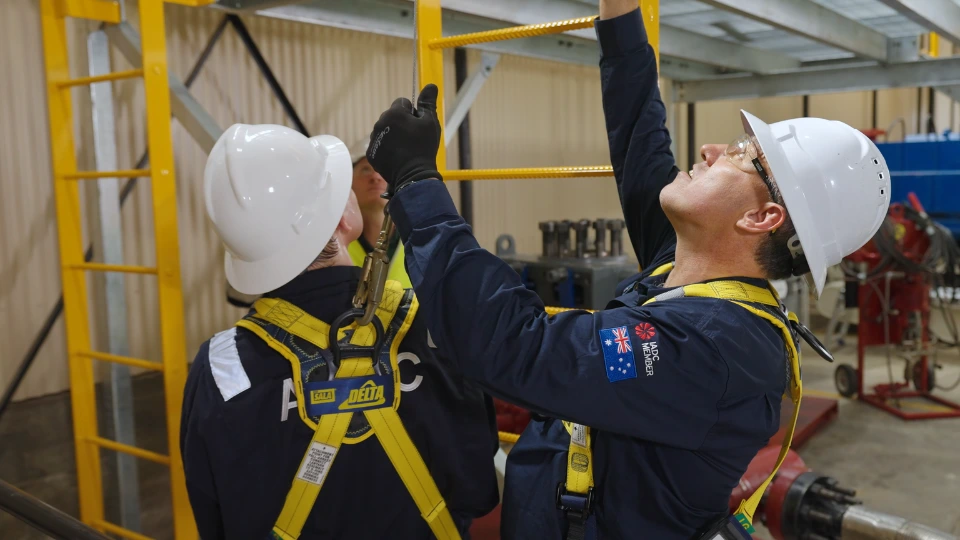
In our Working at Heights course, participants learned to use harnesses and fall-prevention systems correctly while identifying and mitigating common height-related hazards.

The focus was on real-world safety application, not just theory — ensuring every participant is confident, competent, and compliant when working above ground level.

Gas Testing and Confined Space Entry

We also reinforced one of the most important principles in hazardous work environments — testing before entry.
Our Gas Test Atmospheres training covered the correct use of gas detectors, interpretation of readings, and what actions to take if unsafe levels are detected.

This flowed directly into Confined Space Entry training, where participants practised entry procedures, communication protocols, and emergency planning, all key to ensuring safe operations in enclosed or restricted areas.

Operating Breathing Apparatus and Fire Training

Operating a Breathing Apparatus (BA) safely is a life-saving skill when working in oxygen-deficient or contaminated environments.
Participants learned about equipment checks, donning procedures, and managing air supply under pressure.

This was paired with Combined Fire Training, which explored fire behaviour, fire extinguisher types, and practical response drills.
The goal: to make sure that in a real-world emergency, our teams can respond quickly, calmly, and effectively.

The Importance of PPE — The Right Gear for the Job

Throughout all training sessions, Personal Protective Equipment (PPE) remained a central focus. PPE is the final line of defence against hazards — but only when it’s the right type, used the right way.

We reinforced several key points:

  • Always inspect PPE before and after use. Damaged or worn-out gear can fail when it’s needed most.

  • Gloves are a no-go when operating bench grinders or rotating machinery, as they can easily become entangled and cause severe injuries.

  • Respiratory protection must be properly fitted and sealed — facial hair, for example, can compromise mask effectiveness.

  • Safety glasses or face shields should always be worn when cutting, grinding, or working with pressurised systems.

  • High-visibility clothing and protective footwear are essential for worksite visibility and foot protection.

The message is clear, awareness and correct PPE use save lives. Wearing the wrong type can be as dangerous as wearing none at all.

At the end of the day, no matter where you’re working — on the ground or at height, in a vehicle or a high-risk zone — safety isn’t just a checkbox, it’s a mindset. It’s how we operate at AWCC.

Every course we deliver reinforces that mindset, ensuring every participant goes home safe, confident, and capable.

As part of National Safe Work Month, we asked our students: “What does safety mean to you?”
Their responses show the real impact of quality safety training, from gaining confidence on site to looking out for their mates.

Look after yourselves and your mates — because safety starts with all of us.

 Learn more about AWCC’s nationally recognised safety and oil and gas training programs here.


Continue reading

AWCC Joins the Conversation at the First Nations Business Expo


Australian Well Control Centre (AWCC) Showcases Training and Safety Commitment at First Nations Business Expo in Toowoomba

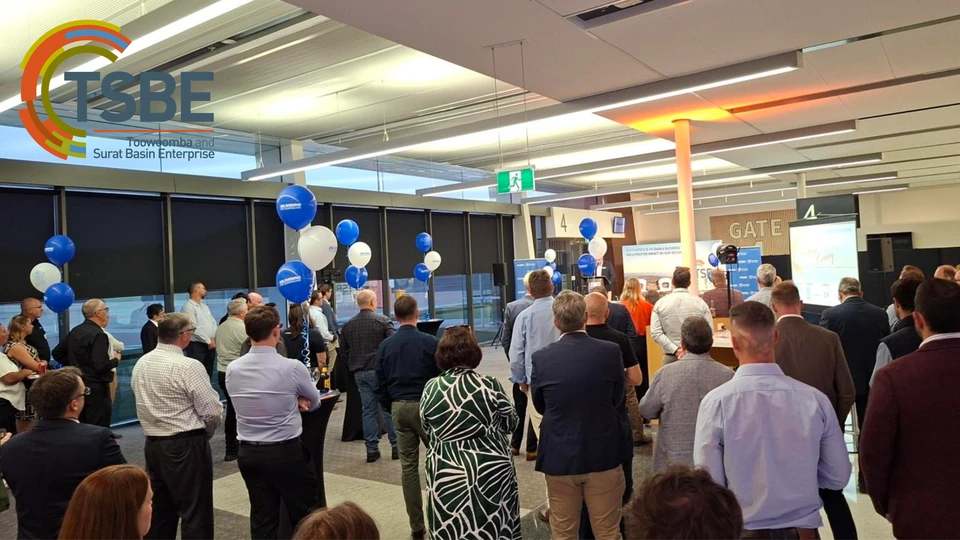
The Australian Well Control Centre (AWCC) proudly attended the First Nations Business Expo in Toowoomba, an inspiring national event that brought together Indigenous leaders, entrepreneurs, and changemakers from across Australia to connect, collaborate, and celebrate Indigenous enterprise and innovation.

The day began with “a yarn over breakfast,” where stories were shared over coffee and connection,  a warm reminder that genuine partnerships in business begin with open conversation and respect. This was followed by a morning of networking, where relationships were built around community, opportunity, and empowerment, laying the groundwork for stronger collaborations across industries such as oil, gas, resources, and training.

Inspiring Voices of Strength and Leadership

The Expo featured an outstanding lineup of speakers and panelists from across the country, each offering valuable insights into Indigenous business growth, training pathways, and community leadership:

  • The Wajarri Group from Western Australia delivered a powerful message of “Stronger Together,” highlighting the importance of collaboration, resilience, and community pride in building sustainable businesses.
  • Ben Day from New Acland Mine spoke about repurposing mining lands to create sustainable Indigenous employment opportunities, supported by on-country training programs.
  • Adam Wenitong from Adapt Mentorship discussed empowering youth through mentorship and skills development, encouraging them to recognise their own potential.
  • Melissa Anderson from Blaq Diamonds highlighted the resilience of women working in remote regions, proving that distance is no barrier when supported by strong training and community networks.
  • Saia Fainga’a, former rugby star turned business owner, shared his journey of building a purpose-driven enterprise with his brother — from furniture making to traffic control — and the importance of creating “Black Money” by keeping Indigenous people employed and empowered.

The morning concluded with a panel discussion led by Charlie Rowe, exploring how industry partnerships and Indigenous business can continue to grow side by side. The event finished with traditional dancers, celebrating culture, connection, and community through movement and storytelling.

AWCC Training Centres – Toowoomba and Brisbane

For the Australian Well Control Centre, attending the Expo was about more than networking. It was about listening, learning, and supporting Indigenous communities as they lead the way in shaping the future of Australian industries.

With world-class training facilities in Toowoomba and Brisbane, AWCC delivers weekly short courses, specialised oil and gas training programs, and comprehensive safety training for individuals and organisations nationwide. As the home of Australia’s only all-weather drilling training facility, conveniently located on Toowoomba’s doorstep, AWCC is ideally positioned to serve both regional and urban communities through flexible, high-quality training delivery.

Whether participants are seeking entry-level skills, upskilling opportunities, or advanced drilling and well control qualifications, AWCC’s Toowoomba training centre and Brisbane training facility provide nationally recognised pathways into the oil, gas, and resources sectors.

Commitment to Safety and Indigenous Employment Pathways

AWCC places safety training at the heart of every program. Our weekly short courses are designed to equip participants with the critical safety knowledge required to work confidently and competently in high-risk industries. By combining hands-on training with real-world scenarios, AWCC ensures graduates are job-ready and safety-aware from day one.

Equally important is AWCC’s commitment to creating meaningful Indigenous employment pathways. By collaborating with First Nations communities, industry partners, and government initiatives, AWCC provides accessible training opportunities that support long-term career development, not just short-term qualifications.

Partnering for a Stronger Future

The Australian Well Control Centre (AWCC) is open for business with Indigenous communities across Australia. Through our Toowoomba and Brisbane training centres, we offer short courses, safety training, and industry-recognised qualifications designed to empower individuals, strengthen communities, and build sustainable employment pipelines into the oil, gas, and resources industries.

Our belief is simple: when we grow together, we grow stronger.

For more information about AWCC training programs, weekly short courses, safety training, and Indigenous employment partnerships, visit AWCC’s website or contact our Toowoomba or Brisbane training centres today.


Continue reading

AWCC Named Dual Finalist in the 2025 Toowoomba Chamber Business Excellence Awards 


The Australian Well Control Centre (AWCC) is proud to announce that we have been named a finalist in two categories of the 2025 Toowoomba Chamber Business Excellence AwardsProfessional Services and Innovation.

With hundreds of outstanding regional businesses vying for recognition, being shortlisted in two award categories positions AWCC among Toowoomba’s most forward-thinking and impactful organisations. This achievement reflects the dedication, expertise, and commitment of our team in delivering industry-leading oil and gas training and safety programs across Australia.

Professional Services – Making the Industry Safer 

Our nomination in the Professional Services category highlights AWCC’s unwavering mission: to make the energy and resources industry safer through quality training built by industry, for industry.

Every AWCC trainer and assessor is an experienced industry professional. From well control training and confined space rescue to emergency response and safety leadership programs, every lesson mirrors real-world operational environments.

Our goal is clear — to build competence, confidence, and capability that save lives and strengthen safety performance across the Australian oil and gas sector.

Through our nationally recognised training, AWCC makes industry-specific safety courses accessible to the public, breaking down barriers and opening clear pathways for anyone seeking a career in energy, oil, and gas operations.

Innovation – The Turbo Program 

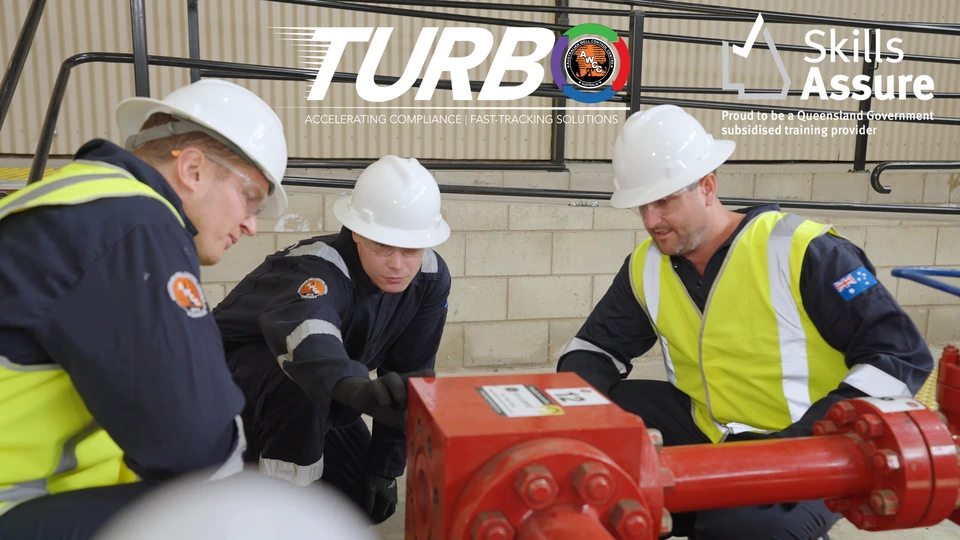
Our finalist recognition in the Innovation category celebrates the success of AWCC’s groundbreaking Turbo Program, a fast-track, workforce-ready training pathway that prepares participants for real jobs in the oil and gas industry.

Combining theory, hands-on rig simulation, and employability skills, Turbo gives participants a complete, immersive experience that replicates live worksite conditions. This innovative training model helps students transition directly into industry roles with the confidence and capability employers demand.

It’s a proven approach that continues to redefine workforce development in Australia’s resources sector, supporting both jobseekers and employers looking for qualified, site-ready candidates.

Australia’s Only All-Weather Drilling Training Facility 

Located  in the heart of Toowoomba — the gateway to the Surat Basin — AWCC operates Australia’s only all-weather drilling training facility. AWCC also offers its safety and oil and gas services in Brisbane.

This state-of-the-art site provides trainees with real-world drilling simulations and safety exercises in any conditions, all year round. It’s a hands-on environment that blends technology, industry experience, and safety leadership — showcasing why AWCC continues to lead in well control and oil and gas safety training nationwide.

By investing in advanced infrastructure, AWCC ensures every participant graduates with the practical skills and industry awareness needed to succeed in Australia’s energy and resources workforce.

Looking Ahead to Awards Night 

The 2025 Toowoomba Chamber Business Excellence Awards Gala will be held on Saturday, 2 November 2025, celebrating the region’s most dynamic and resilient businesses.

While we eagerly await the results, being recognised as a dual finalist is already an incredible milestone — one that reflects our passion, our people, and our ongoing commitment to building safer, smarter, and stronger industry capability across Australia.

To our clients, partners, and the entire AWCC team,  thank you. This recognition belongs to you.

Australian Well Control Centre 
Raising Industry Standards. Empowering Safer Futures. 

About the Australian Well Control Centre (AWCC)

The Australian Well Control Centre is a nationally recognised oil and gas training organisation providing well control, safety, emergency response, and workforce development programs for the Australian energy sector.

From entry-level courses to advanced industry certifications, AWCC is committed to raising industry standards and empowering safer futures.

Learn more about our award-nominated programs and upcoming courses here.


Continue reading

Gladstone Power Station’s Possible 2029 Exit


The potential retirement of Queensland’s Gladstone Power Station (GPS) in March 2029 marks more than the winding down of a 49-year-old coal facility,  it signals a shift in how Australia will power its heavy industry and energy-intensive exports. 

Rio Tinto has notified the Australian Energy Market Operator that GPS may close when its current contracts expire. While no final decision has been made, the move complies with National Electricity Rules requiring 3.5 years’ notice and has triggered industry-wide debate about the stability and cost of future power supply

An Anchor of Industrial Queensland 

Since 1976, GPS has been a cornerstone of the Gladstone industrial corridor — powering the Boyne Smelters, alumina refineries, LNG facilities and the broader manufacturing belt. Its retirement would remove one of the state’s largest baseload generators and the synchronous stability it provides to the grid. 

Energy analysts told The Guardian that without equivalent replacements, “Gladstone’s industrial hub faces serious reliability risk.” CS Energy and Rio Tinto insist all current contracts will continue through 2029, but post-2029 arrangements remain uncertain. 

Implications for Oil & Gas 

While coal takes the headlines, the oil and gas sector is directly exposed. Many LNG plants, refineries and petrochemical operations depend on stable grid electricity and predictable tariffs. The closure of GPS could: 

  • Increase energy costs for industrial users as the grid leans more heavily on renewables and gas peaking plants. 
  • Disrupt reliability, prompting producers to install private backup generation. 
  • Accelerate investment in gas-fired firming capacity, a short- to medium-term opportunity for gas suppliers. 

The Courier Mail warns that early closure would “threaten grid stability in Queensland’s industrial heartland.” Maintaining reliability will likely require new synchronous condensers, gas generation, or battery-storage systems before 2029. 

Direction Change for Queensland’s Energy Mix 

The Queensland Government’s latest Energy and Jobs Plan already extends the life of several coal stations and doubles gas-generation capacity to bridge the renewable transition — a move that positions gas as a critical stabiliser rather than a competitor. 

For the oil and gas industry, that means a chance to step up: 

  • Provide firming capacity through gas turbines or hybrid gas-battery systems. 
  • Partner with industry clusters to offer integrated energy solutions. 
  • Invest in low-carbon fuels such as hydrogen and ammonia that can repurpose existing infrastructure. 

But it also exposes a risk: if renewables and storage scale faster than expected, gas assets could become the next stranded investments. Strategic flexibility is essential. 

Gaps and Challenges 

Several challenges stand out: 

  1. Grid inertia — coal closures remove spinning mass vital for frequency control. 
  1. Economic stress — rising power costs could weaken downstream heavy industry. 
  1. Workforce transition — local jobs at GPS and supplier businesses need redeployment strategies. 
  1. Policy uncertainty — fluctuating energy roadmaps complicate long-term capital planning. 

Without clear planning, the gap left by GPS could ripple through Queensland’s export economy and industrial supply chains. 

A Moment to Lead 

The message for oil and gas operators is clear: adapt early or play catch-up later. The retirement of Gladstone Power Station — whether in 2029 or later — will reshape Australia’s east-coast energy landscape. 

The opportunity lies in leadership: stabilising the grid, enabling cleaner fuels, and ensuring the lights stay on for the industries that power Australia’s economy. 

Because while coal may be exiting, energy demand is not — and the companies that bridge that gap will define the next generation of Australian energy. 

Sources: Rio Tinto (Oct 2025); AEMO notices; The Guardian; The Australian; Courier Mail; Smart Energy Council; WorkSafe QLD Energy Data. 


Continue reading

Managing Heat Stress: Protecting Workers This Summer


As Queensland heads into another summer, the message is clear: working in extreme heat isn’t just uncomfortable, it’s dangerous.

Heat exposure continues to be one of the most underestimated workplace risks in the oil and gas, mining, and construction industries, and every year, preventable incidents occur. Whether you’re on a rig, in a workshop, or operating machinery outdoors, managing heat is critical for worker safety and wellbeing.

Understanding the Risk 

When the body is exposed to extreme temperatures or humidity, it struggles to cool itself. Once that balance is lost, heat stress sets in. It doesn’t take long for mild symptoms  like fatigue, muscle cramps, nausea or dizziness to turn into something much more serious. 

If left untreated, heat stress can quickly progress to heat stroke, which is a medical emergency that can lead to confusion, collapse, or even death. 

Factors such as air movement, clothing, workload, fitness, hydration, and even medication can all influence how a worker responds to heat. This isn’t about toughness – it’s about physiology. 

“Heat doesn’t care how tough you are. Once your body overheats, there’s no pushing through it.” 

That’s a mindset shift our industry must continue to embrace. Prevention is the only safe option. 

Hydration and Healthy Work Habits 

Hydration is the first and most effective control measure, but it’s not just about drinking water when you feel thirsty. 

Workers should sip small amounts of cool water every 15–20 minutes, not gulp large amounts occasionally. Drinks high in caffeine or sugar like coffee, cola, and energy drinks can dehydrate you faster. Including ice in your water and maintaining a balanced diet before and during shifts also helps stabilise electrolytes and core body temperature. 

A quick personal check is simple: if your urine is dark yellow, you’re dehydrated. Aim for pale yellow. 

For anyone returning to work after time off, or coming from cooler climates, take time to acclimatise. Your body needs to gradually adjust to the heat, especially on physically demanding sites. 

Planning and Prevention on Site

Every workplace should have a Heat Management Plan that is actively implemented:

  • Schedule heavy work during cooler parts of the day

  • Rotate crews through shaded or air-conditioned rest areas

  • Provide easy access to cool, potable water

  • Ensure PPE is light, breathable, and task-appropriate

  • Encourage workers to recognise early heat stress symptoms in themselves and colleagues

AWCC training emphasises planning shift rotations and adjusting workloads during extreme temperatures. Leadership is key to fostering a culture where speaking up about heat is expected and supported.

Responding Quickly to Heat Emergencies

If someone starts showing signs of heat stress, act immediately, don’t wait. 
Move them to shade or an air-conditioned area, loosen PPE, apply cool wet towels, and provide water if they’re alert enough to drink. Always call for first aid support, heat stroke is a medical emergency.  

Every site should have a portable heat emergency kit, including an esky with ice, bottled water, damp towels, and instant cold packs. These small steps can make all the difference while waiting for emergency response teams. 

“Those first few minutes matter. Cooling a person quickly can be the difference between recovery and tragedy.” 

Legal Obligations for Heat Safety in Queensland

Queensland safety laws require site managers and employers to ensure workers are not exposed to unsafe heat risks. Key references include:

  • Guidance Note QGN32 – Managing Exposure to Heat

  • Petroleum and Gas (Safety) Regulation 2018

  • WorkSafe Queensland – Managing the Risk of Working in Heat

Following these guidelines ensures compliance and protects workers’ health and safety.

The Takeaway: Look After Each Other 

Heat stress isn’t a test of endurance — it’s a test of awareness. 
It’s not just about finishing the job; it’s about getting everyone home safely. 

Every bottle of water, every shaded break, every “you okay, mate?” makes a difference. 

As we move into the hotter months, let’s plan ahead, stay hydrated, and support each other on-site. 
Because at AWCC, we know that safety isn’t just a policy — it’s personal. 

Further Information 

  • RSHQ Safety Alert 461 – Effective Management of Heat Risks for Workers (October 2025) 
  • Safe Work Australia – Managing the Risk of Working in Heat 
  • WorkSafe Queensland – Heat Stress Calculator 
  • AIOH – Managing Heat Stress in the Australian Environment 

Continue reading

Why Preparedness Saves Lives – Confined Space Rescue 


Across Australia, confined spaces are part of everyday work. They take many forms—tanks, pits, wells, sewers, silos, tunnels, process vessels and are essential in industries such as oil and gas, mining, construction, agriculture, and water utilities. But while they are routine, they are also some of the most dangerous environments a worker can face. 

The hazards of confined spaces are often invisible. A single breath in an oxygen-deficient atmosphere can incapacitate. A sudden release of gas can overwhelm or ignite. Loose material can engulf without warning. Add restricted access and complex geometry, and what might be a minor incident in open air quickly becomes life-threatening underground or inside a vessel.

The Hidden Danger: Why Rescuers Are Most at Risk

Confined space emergencies escalate fast—and often claim the lives of those trying to help.
According to Safe Work Australia, around 60% of confined-space fatalities involve would-be rescuers. These are co-workers who act on instinct, rushing in without the right training or equipment, only to be overcome themselves. In moments, one emergency becomes two—or worse.

Legal and Safety Requirements for Confined Space Entry

Australian law makes the importance of confined space rescue training clear.
The Work Health and Safety Regulation 2011 (Part 4.3) requires PCBUs to:

  • Identify confined spaces

  • Assess and control risks

  • Implement permit systems

  • Isolate hazards

  • Maintain documented and rehearsed rescue procedures

The Model Code of Practice: Confined Spaces (2024) also states that relying only on external emergency services is not acceptable—rescue must be possible on site.
The Australian Standard AS 2865:2009 provides the technical foundation, outlining the need for trained observers, rescue equipment, and competency.

Together, these requirements make one thing clear: no confined-space entry is safe without trained personnel and a practiced rescue plan.

From Compliance to Capability: Building Real Rescue Readiness

Preparedness goes beyond ticking boxes.
An effective rescue system must be realistic, practical, and proven through rehearsal. Workers should be able to:

  • Monitor and test atmospheres

  • Use breathing apparatus (SCBA) confidently

  • Package and retrieve casualties safely

  • Coordinate under pressure

  • Operate essential rescue equipment like tripods, winches, gas detectors, and ventilation systems

Plans on paper don’t save lives — competence and practice do.

Learning from Tragedy

Many incidents share the same heartbreaking pattern:
A worker collapses due to oxygen deficiency. A colleague enters, unprotected, to help—and within seconds, both are lost.

These tragedies are 100% preventable with proper training, equipment, and planning.
Training transforms instinctive, dangerous responses into structured, effective action that saves lives.

AWCC – Delivering Confined Space Rescue Training That Saves Lives

At the Australian Well Control Centre (AWCC), we believe confined space rescue training is more than a regulatory requirement—it’s a moral responsibility.
As a Registered Training Organisation (RTO 41356), AWCC helps industry turn compliance into capability.

Our programs feature:

  • Realistic rescue simulations and purpose-built training rigs

  • Alignment with WHS law and AS 2865

  • Skilled trainers with real industry experience

We ensure every participant leaves with both confidence and competence—ready to act safely and effectively in a confined space emergency.

Be Ready, Be Trained

Confined space rescue is about more than safety—it’s about protecting lives, sustaining industries, and preventing tragedies before they occur.

Because when every second matters, it isn’t instinct that saves lives.
It’s preparation, training, and practice.

Learn more about our nationally recognised Confined Space Rescue Course here.


Continue reading

Building Skills for Australia’s Onshore Gas Future


Australia’s onshore oil and gas industry is entering a defining decade. From Queensland’s coal seam gas (CSG) fields to the Northern Territory’s Beetaloo Basin and the Cooper Basin’s pioneering carbon capture and storage (CCS) projects, billions of dollars in investment and thousands of new jobs are on the horizon.

But the success of these developments won’t be measured by drilling rigs alone, it will depend on workforce readiness, safety, compliance, and community trust.

At the Australian Well Control Centre (AWCC), our mission is clear: to prepare Australia’s energy workforce with the skills, qualifications, and safety mindset needed to lead the industry forward. We build not only technical capability but also the responsibility to work safely, respectfully, and sustainably.

Onshore Projects Driving Workforce Demand 

Across Australia, major onshore gas projects are creating long-term employment opportunities:

  • Beetaloo Basin (NT): The Sturt Plateau Pipeline is under construction and expected to deliver first gas by mid-2026, creating hundreds of construction and drilling jobs. Its success depends on effective heritage and groundwater management.

  • Bowen–Surat Basin (QLD): Expansion through Arrow Energy’s Phase 2 and Senex Atlas projects will deliver hundreds of new wells by 2028 — increasing demand for drillers, field operators, pipeline welders, and safety officers.

  • Cooper–Eromanga Basin (SA/QLD): The Moomba CCS project began CO₂ injection in 2024 and can store up to 1.7 million tonnes annually — driving new roles in monitoring, instrumentation, and compliance.

  • Narrabri Gas Project (NSW): Pending approval, this development could see over 850 wells and thousands of jobs over two decades, emphasising the need for environmental and heritage compliance training.

  • Otway Basin (VIC/SA): Facility and pipeline upgrades continue to create seasonal workforce demand, particularly for maintenance and logistics personnel.

Skills That Employers Now Demand

The onshore gas market is shifting. Contractors are no longer hiring for a single trade — they want multi-skilled, compliant professionals.

That means drillers trained in fatigue management, welders certified in confined space safety, and supervisors who understand environmental and WHS compliance.

This shift places new emphasis on industry-accredited training and nationally recognised qualifications that prepare workers for both technical and regulatory demands.

The Bigger Picture: Opportunity With Responsibility

According to the AEMO 2025 Gas Statement of Opportunities, Australia’s east coast may face gas supply shortfalls from 2028 unless new onshore projects progress. The Federal Government’s Future Gas Strategy confirms that gas will remain critical to the nation’s energy mix — but under stricter climate and sustainability frameworks.

For the workforce, this means that compliance, safety, and environmental awareness are not optional extras, they are central to project success.

The Road Ahead: Preparing for 2030 and Beyond

By 2026, Beetaloo Basin will deliver its first pilot gas. By 2027–2028, Arrow Energy’s Phase 2 will be driving drilling and compression activity. By 2030, carbon capture and storage will be mainstream, with Moomba operating at full capacity and new CCS initiatives underway in Queensland and the NT.

The future oil and gas workforce will be diverse and adaptable,  combining technical, environmental, and compliance expertise.

AWCC’s Commitment to Workforce Readiness

At AWCC, our role is not to advocate for specific projects, it’s to ensure that when projects proceed, the workforce is ready.

As a Registered Training Organisation (RTO 41356) in Brisbane and Toowoomba, we provide industry-built safety and compliance training for the oil and gas, mining, and construction sectors. Our programs align with Australian WHS legislation, industry standards, and real-world site conditions.

From Well Control Training to Safety Courses, our courses build confidence, competence, and compliance — the essential ingredients for a safer, stronger industry.

Australia’s onshore gas future depends not only on the reserves below ground but on the capability and safety of the people above it.

At the Australian Well Control Centre, we’re proud to lead that preparation, building a workforce that is skilled, compliant, and ready to deliver Australia’s energy future safely and responsibly.

Gary King 
Manager, Australian Well Control Centre 


Continue reading

Powering the Future: Why a Career in Australia’s Oil and Gas Sector Matters


Australia sits on vast energy resources that power our homes, industries, and export economy. Oil and gas remain central to this picture as the nation transitions towards lower emissions and new fuels. That transition depends on one crucial factor — people. Skilled, safety-conscious, and job-ready workers trained through the Australian Well Control Centre (AWCC) are key to keeping the industry moving forward.

Careers With Staying Power 

Oil and gas projects in Australia span decades, creating long-term demand for skilled professionals across operations, maintenance, logistics, drilling, and safety roles.
While renewable energy continues to grow, natural gas remains a critical transition fuel both domestically and internationally. With LNG exports to Asia and ongoing local production, there will be continuous demand for trained personnel.

For those entering the industry, this stability means more than just employment — it means a career with staying power and security. Through AWCC-accredited training programs, participants gain recognised qualifications that open pathways to lasting employment in oil and gas.

Skills That Build a Future 

A career in oil and gas builds transferable, high-value skills. From well control and safety management to teamwork, problem-solving, and technical knowledge, these abilities are valued across sectors — including mining, construction, and renewables.

That’s why training and certification are so important.
At the Australian Well Control Centre, our courses are designed with industry input to ensure participants are job-ready for real site conditions. Whether you’re a new entrant or an experienced worker refreshing your qualifications, AWCC’s oil and gas training equips you to perform safely and effectively.

Financial Reward and Lifestyle

Few industries offer the same combination of reward and flexibility as oil and gas. Even entry-level roles often earn above the national average, and FIFO rosters can provide extended time off between swings. For school leavers, it’s a pathway to early financial independence. For skilled workers, it’s a way to leverage experience into higher-paying, respected roles.

By connecting safety training and well control certification directly to employment pipelines, AWCC helps make these opportunities accessible — supporting individuals from the classroom to site-ready positions.

An Industry Shaping the Future 

The oil and gas sector is evolving rapidly. Automation, robotics, digital monitoring, and carbon capture and storage (CCS) are becoming standard, while investment grows in hydrogen and cleaner energy production. Workers who train today will be part of the energy transition workforce of tomorrow.

AWCC’s oil and gas courses are evolving too. We integrate simulation technology, digital safety systems, and compliance frameworks into every program — ensuring graduates don’t just meet today’s requirements but are prepared for the future of Australian energy.

A Career With Purpose 

Beyond technology and pay, oil and gas careers are about impact. This industry keeps hospitals running, fuels transport networks, and powers everyday life. It’s meaningful work that supports the nation’s infrastructure and economy.

At the Australian Well Control Centre, we take pride in training the workforce behind this vital sector — building capability, safety awareness, and leadership to keep the industry strong, sustainable, and safe.

The Optimist’s Choice 

Challenges exist, from climate change to regulation, but that’s why the industry needs people who see solutions and innovation. For school leavers, it’s a chance to start strong; for skilled workers, it’s a chance to advance.

Oil and gas offers stability, growth, financial reward, and purpose — and with AWCC’s nationally accredited training, anyone with drive can build a meaningful, future-proof career.

Conclusion 

Australia’s energy future depends on people — skilled, safe, and ready to lead. For those ready to take the next step, the oil and gas industry offers more than jobs — it offers a rewarding career that grows with you.

The Australian Well Control Centre (AWCC) is proud to support that journey through nationally recognised oil and gas training, safety courses, and well control programs.

If you’re ready to take charge of your future, start your training with AWCC today — where safety, skill, and opportunity meet.


Continue reading

October is Breast Cancer Awareness Month


Each October, the National Breast Cancer Foundation (NBCF) shines a light on an issue that touches so many lives across Australia — breast cancer. It’s the second most commonly diagnosed cancer in the country, with an average of nine Australians losing their lives every single day to the disease.

At the Australian Well Control Centre (AWCC), we’re proud to support Breast Cancer Awareness Month and stand alongside those whose lives have been affected. This month is about more than wearing pink, it’s about raising awareness, supporting research, and contributing to a future where no one dies from breast cancer.

The NBCF’s goal of Zero Deaths from Breast Cancer can only be achieved through ongoing research and innovation, understanding how the disease starts, grows, and spreads so it can be stopped in its tracks. Every donation, conversation, and show of support helps drive that mission forward.

We encourage our team, students, and community to take a moment this month to learn more, show support, and get involved, whether it’s through a donation, wearing pink in the workplace, or starting a conversation that raises awareness.

Together, we can help make a difference and move closer to a future free from breast cancer.

🔗 Learn more or donate: www.nbcf.org.au


Continue reading

Message from the Management Team


Welcome to AWCC’s first industry newsletter. September wasn’t just another month for us — it was a showcase of innovation, recognition, and momentum that proves why AWCC continues to lead the way in workforce training. 

Our mission is simple but powerful: to deliver training that is designed by industry, for industry — practical, compliant, and always aligned to workforce needs. What defines us is not only what we deliver today, but how we continually evolve to meet the challenges of tomorrow. 

Recognition & Milestones 

We were proud to win the Innovation Award for the Turbo Program at the Surat Basin Energy Awards. Turbo has redefined how the industry prepares its workforce, producing compliant, work-ready graduates in just seven days. For the oil and gas community, this means faster access to skilled personnel; for the public, it means safer, more sustainable operations that strengthen the long-term resilience of the sector. 

We’re also honoured to be finalists in two categories — Professional Services and Innovation — at the Business Excellence Awards. This nomination reinforces the trust placed in us to deliver quality outcomes that benefit both industry and the communities it supports.

This month, AWCC engaged across a range of industry and community events, from safety forums to innovation expos. These weren’t just networking opportunities — they were platforms where we shared our expertise and listened to industry challenges, ensuring our training remains responsive to real-world needs. 

Building Capability 

September also marked internal growth: welcoming a new trainer in our Brisbane office, launching Forklift training courses, and strengthening our resources and delivery systems. Each step increases our capacity to support both industry and community by creating more pathways into work and ensuring training is grounded in compliance and safety. 

Why AWCC Leads 

What sets AWCC apart is the rigor behind our delivery. Every program is built on four foundations: 

  • SMEs with decades of real-world knowledge. 
  • Continuous Improvement to integrate new technology, feedback, and regulations. 
  • QA Systems to guarantee consistency and compliance. 
  • Innovation through VR/AR/MR simulators and digital platforms that bring learning to life. 

This approach ensures we’re not just delivering training — we’re solving industry problems by reducing skill shortages, improving safety, and strengthening community confidence. 

Looking Ahead – Building for Tomorrow 

While September brought recognition, the real story is what’s ahead. AWCC is actively investing in projects that address industry challenges while delivering broader benefits: 

  • Well Intervention Programs – supporting advanced operations, ensuring safe, competent crews for complex tasks. 
  • Turbo Cert III – the next evolution of Turbo, offering deeper skills to create job-ready graduates who can contribute immediately on site. 
  • Sub-Sea IWCF Simulators – tackling the challenge of offshore readiness with world-class simulation, reducing risk while boosting competence. 
  • Plant & Equipment Training (Scissor Lift, under-11m Boom EWP) – meeting demand for practical tickets that improve employability and site safety. 
  • Heights Rescue – addressing critical emergency response needs and ensuring work at height is managed with the highest safety standards. 
  • IWCF Online Resources – making world-class well control learning accessible globally, helping companies upskill teams faster and more efficiently. 
  • Continuous Resource Development – ensuring all AWCC programs stay current, practical, and compliant. 
  • Industry

    Safer, more compliant operations across drilling, well servicing, and high-risk environments. 

    Reduced skill shortages by delivering graduates who can contribute from day one. 

    Cutting-edge simulation (Sub-Sea IWCF, VR/AR/MR) reduces risk while boosting competence. 

  • Workforce

    Faster pathways into jobs with nationally recognised, work-ready qualifications. 

    Access to advanced training (Turbo Cert III, IWCF Online) that supports career progression. 

    Exposure to real-world equipment and rescue training (Forklift, Heights Rescue, EWP). 

  • Community

    Stronger local economies through employment and training opportunities. 

    Increased confidence that operations are underpinned by safety and compliance. 

    Sustainable growth in the energy sector, ensuring long-term benefits for regions. 

Each initiative has been carefully chosen to solve pressing challenges: skill gaps, compliance pressures, safety risks, and workforce accessibility. By investing in these areas, AWCC is not just supporting the oil and gas community — we’re helping build safer worksites, stronger companies, and sustainable opportunities for the public. 

At AWCC, the future isn’t coming. We’re building it right now. 

Our Commitment 

What defines AWCC is not just achievement — it’s the integrity, quality, and continual improvement at the heart of everything we do. 

With SMEs guiding our development, QA ensuring uncompromising standards, and innovation shaping our future, AWCC is committed to preparing the workforce of today and tomorrow. 

This first newsletter is more than a recap — it’s an invitation. The milestones we’ve shared are just the beginning, and we look forward to sharing more with you in the months ahead. 

Train by Industry, for Industry. 


Continue reading

FEATURED: AWCC Launches Forklift Training – Get Licensed Today


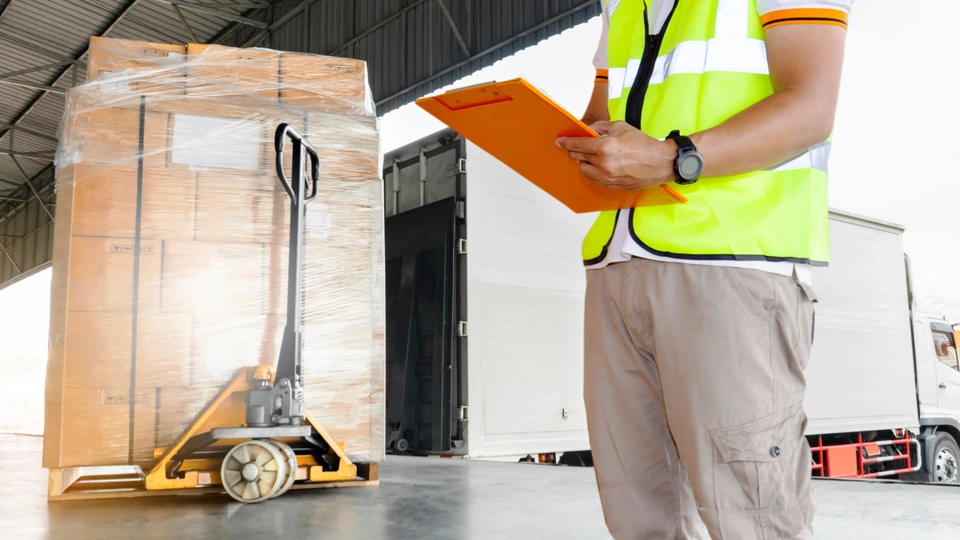
The Australian Well Control Centre (AWCC) is excited to announce the launch of its TLILIC0003 License to operate a forklift truck course, starting early October in Toowoomba. Designed for anyone required to operate a forklift as part of their workplace duties, this nationally recognised training provides participants with the skills and knowledge to safely and efficiently operate a forklift truck.

Course Highlights

Our 3-day program combines practical and theoretical learning to ensure participants gain real-world skills and confidence, including:

  • Planning and preparation for forklift operations
  • Pre-start and start-up checks
  • Safe load handling and shifting
  • Adaptation to changing workplace conditions
  • Shutdown and post-operation procedures

Students will also learn to identify hazards, assess risks, and apply effective controls in accordance with workplace health and safety legislation and codes of practice.

Who Should Enrol?

This course is ideal for:

  • Warehouse staff
  • Delivery personnel
  • Construction workers
  • Farm hands
  • Operators looking to renew their High Risk Work Licence

Participants must be 18 years or older and provide three forms of ID prior to assessment.

What You’ll Receive

Successful participants will be issued with:

  • A Statement of Attainment for TLILIC0003 – Licence to Operate a Forklift Truck

  • A Candidate Assessment Summary (CAS) to apply for their High Risk Work Licence with Workplace Health and Safety Queensland

Flexible Learning Options

AWCC offers two delivery options to suit individual needs:

  1. 3-day face-to-face training, including knowledge, calculations, and practical assessments

  2. Logbook enrolment, allowing students to practice under supervision before completing the final assessment

Get Started This September

Our Forklift course is competitively priced at $710 AUD and is scheduled weekly, making it easy to fit into your schedule.

Take the next step in your career and gain the qualifications you need to operate a forklift safely and confidently.

Book your place today: Enrol in AWCC’s Forklift Course


Continue reading