The First Five Minutes: Why First Aid & CPR Training Can Be the Difference Between Life and Death


It only takes a moment.

A collapse on site.
A co-worker choking in the lunchroom.
A sudden cardiac arrest before a job briefing has even begun.

In those first few minutes — long before an ambulance arrives — the outcome depends entirely on the people standing nearby.

This is the moment where First Aid and CPR training stops being “just another ticket” and becomes something far more important: a skill that can save a life.

Emergencies Don’t Wait — And Neither Should Training

Each year in Australia, more than 30,000 people suffer an out-of-hospital cardiac arrest, according to national first aid and cardiac arrest data. Despite advances in emergency care, the overall survival rate remains around 10% — not because help isn’t coming, but because it often can’t arrive fast enough.

Research consistently shows that for every minute without CPR or defibrillation, survival decreases by approximately 10%. In regional and remote areas, where ambulance response times can average 10 minutes or more, that time gap becomes critical.

Australian first aid statistics also show that when bystander CPR is performed immediately, survival odds improve by two to three times. In witnessed cardiac arrests where CPR and an AED are used within the first 3–5 minutes, survival rates can exceed 70%.

The message is clear: the first response often determines the outcome.

Training Replaces Panic With Action

In an emergency, panic is natural. Many people freeze — not because they don’t care, but because they’re unsure what to do.

First Aid and CPR training bridges that gap. It equips people with the skills to recognise an emergency, begin CPR immediately, manage bleeding or shock, and use an AED confidently until professional help arrives.

More importantly, training builds confidence. It replaces hesitation with action — a factor repeatedly identified in first aid research as critical to improving survival outcomes.

Why Workplaces Can’t Rely on Luck

According to Safe Work Australia, nearly 497,000 workplace injuries were reported nationally in a single year, with workplace injury costing the Australian economy an estimated $28.6 billion annually.

In high-risk industries such as oil & gas, mining, construction, and manufacturing, relying on emergency services alone isn’t enough. These environments demand trained people on site who can act immediately.

Workplaces with trained First Aid officers consistently benefit from:

• Reduced injury severity

• Faster recovery outcomes

• Stronger WHS compliance

• Improved worker confidence and wellbeing

Beyond compliance, it signals something more important — a genuine commitment to protecting people.

Skills That Stay With You for Life

First Aid and CPR skills don’t stop at the gate.

They apply at home, on the road, at sport, and in public places — wherever life happens. Many Australians who have saved lives report they never expected to use their training. They were simply grateful it was there when it mattered.

Because one day, someone you know — or someone you work with — may be counting on you.

Be Ready When It Matters Most

First Aid and CPR training isn’t about fear.
It’s about preparation, responsibility, and being ready to act when seconds count.

AWCC delivers practical, hands-on First Aid and CPR training, led by experienced trainers who understand high-risk worksites and real-world emergencies. Courses run regularly in Brisbane and Toowoomba, making it easy to keep skills current and workplaces prepared.

View First Aid & CPR courses here and book your place.


Continue reading

Why We Work Safe: Getting Home to What Matters Most


February is the month of Valentine’s Day. Conversations often turn to love, relationships, and the people who matter most in our lives. For those working FIFO, remote, or high-risk roles across oil & gas, energy, mining, and construction, these conversations carry a deeper meaning.

Time away from home is part of the job. Long shifts. Remote locations. Physically demanding and high-risk environments. But behind every worker on site is a family waiting at home — partners, kids, parents, and loved ones who rely on one simple thing above all else: that they return safely.

At the Australian Well Control Centre (AWCC), this is the reason safety is never just a box to tick.

Safety Isn’t Just About Compliance — It’s Personal

For FIFO workers, safety isn’t abstract. It’s not just legislation, procedures, or permits.
It’s the text message sent at the end of shift.
The FaceTime call from camp.
The drive home after a swing.

Every hazard identified, every risk controlled, and every procedure followed has a real-world outcome — another day lived, another moment shared, another reunion at the airport.

Working safely means being able to enjoy birthdays, anniversaries, school events, quiet weekends, and the simple comfort of being home.

Why Training Matters More Than Ever

High-risk industries don’t forgive complacency. Many of the most serious incidents happen when people are tired, rushed, or overly familiar with the task at hand. That’s why quality, practical training is critical — especially for FIFO and remote workers who often operate with limited immediate support.

At AWCC, our training focuses on real-world scenarios, hands-on learning, and building confidence under pressure. Whether it’s well control, gas testing, confined space entry, fire response, first aid, or working at heights, the goal is the same:

Give workers the skills to recognise hazards early, make the right decisions, and protect themselves and those around them.

Because when training is realistic, it sticks, and when it sticks, people go home.

Ready to Train for What Matters Most?

Working safely isn’t just about compliance — it’s about making it home to the people who matter most.

At the Australian Well Control Centre (AWCC), our hands-on, industry-recognised training is designed for FIFO, remote, and high-risk workers who need real skills for real environments.

From well control and gas testing to confined space, fire response, first aid, and working at heights, our courses help you stay sharp, confident, and job-ready — on site and beyond.

👉 Explore our courses:
https://www.wellcontrolcentre.com.au/courses/

Because the most important outcome of any shift…
is getting home safely.


Continue reading

From Showcase to Site: Rig 37 Highlights the Power of a Skilled Workforce


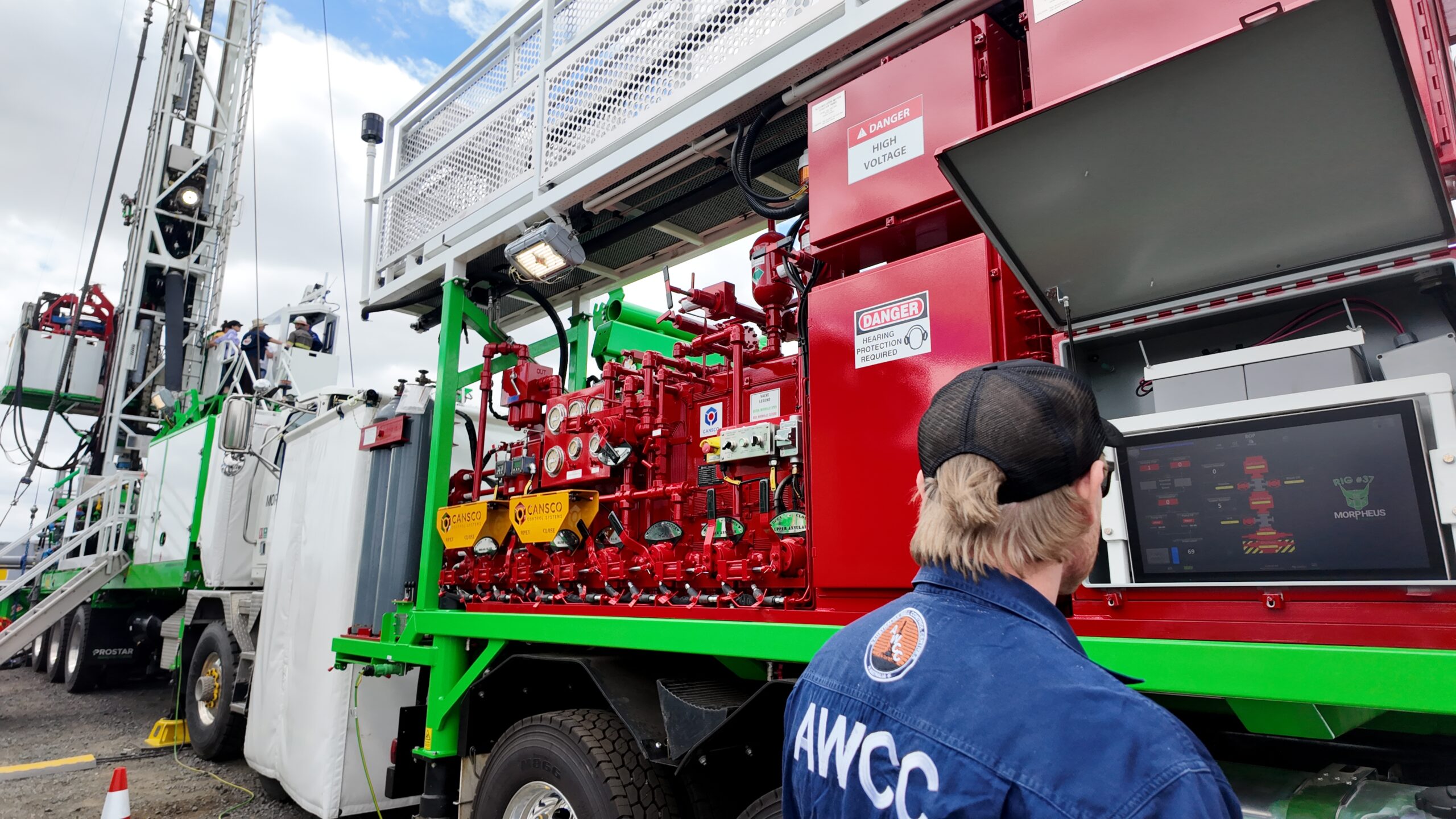
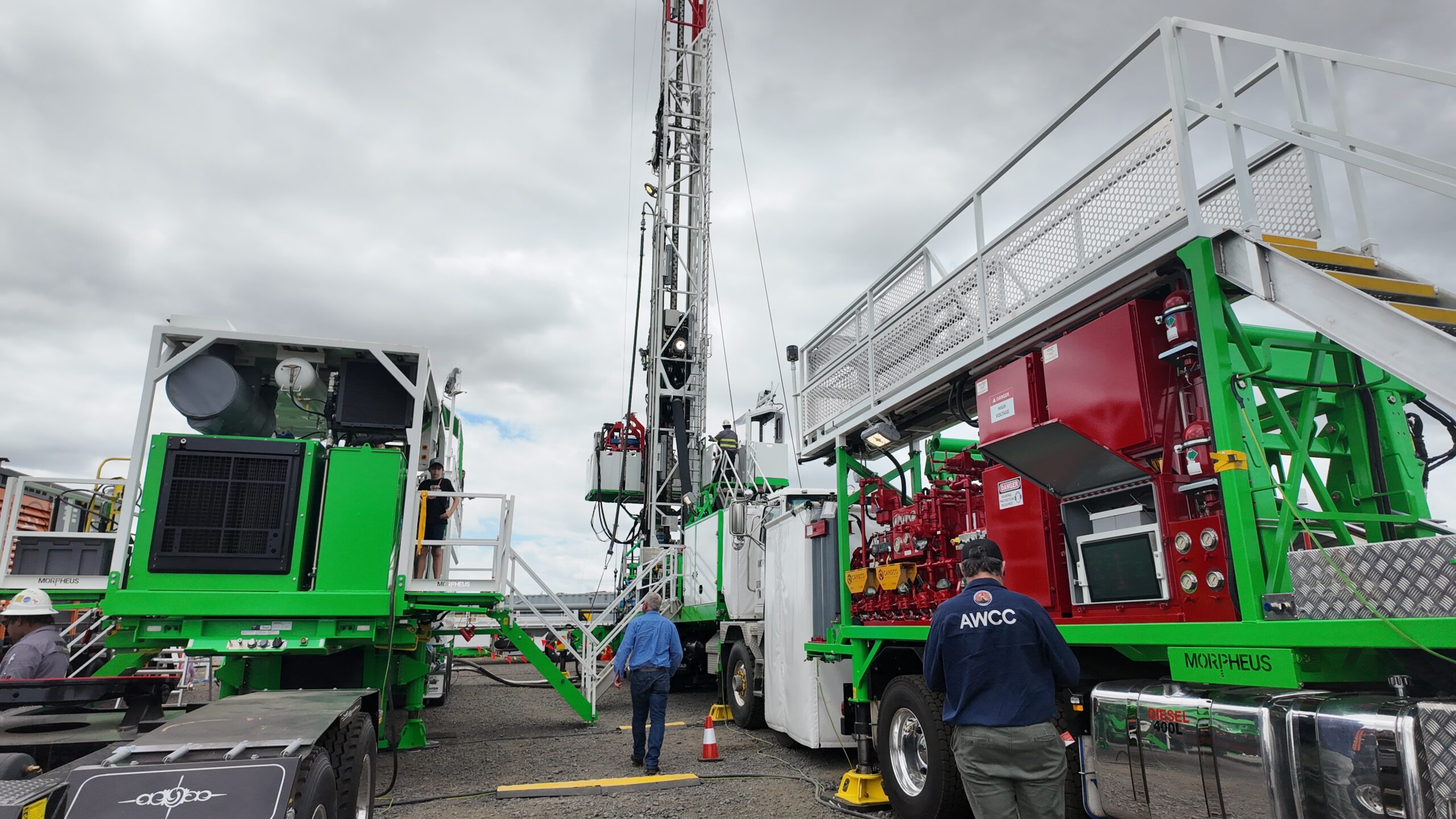
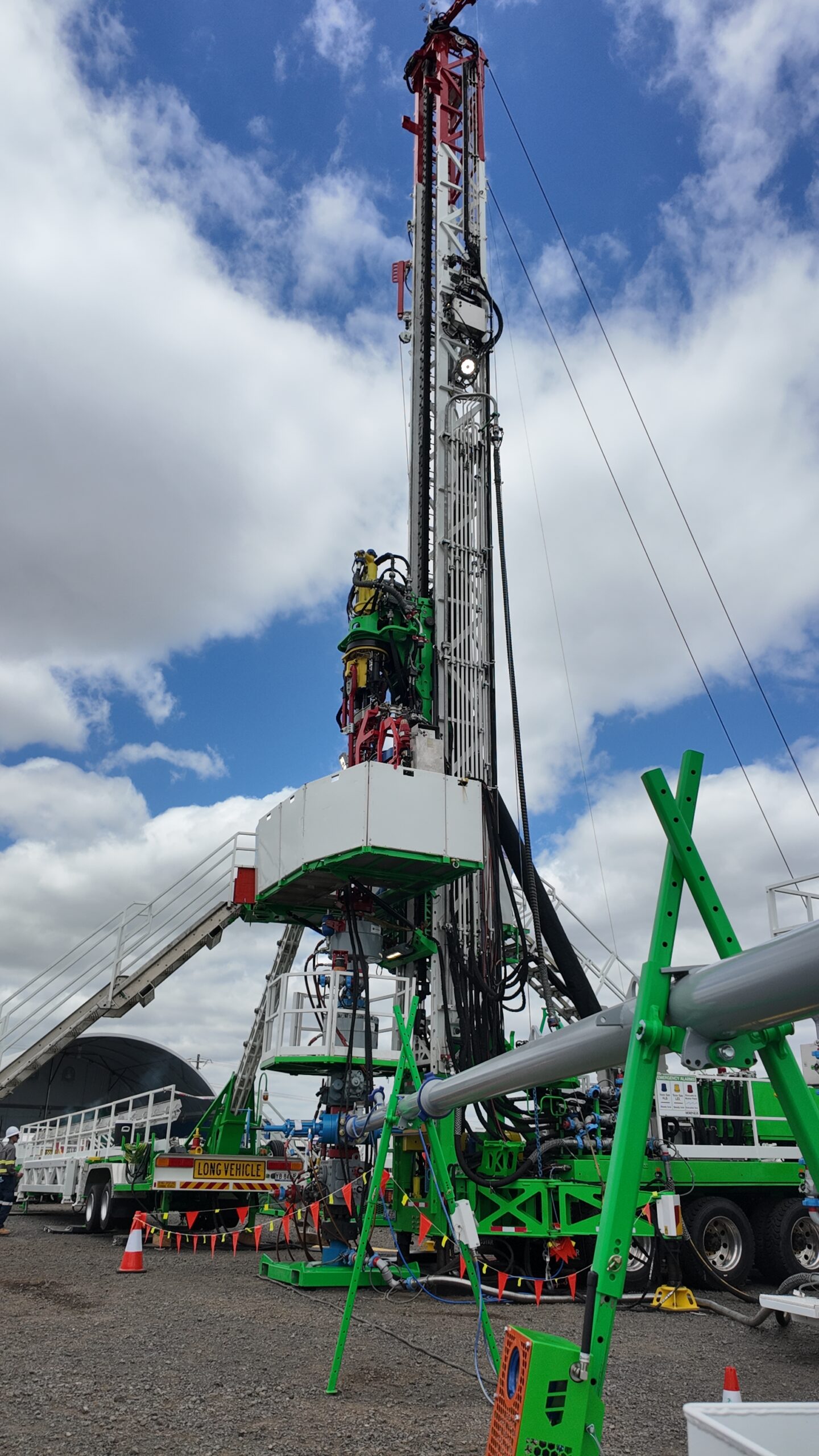
Last week marked a significant moment for AWCC and Morpheus Energy Services as Rig 37 moved from community engagement to active well operations in just a matter of days. The company’s pre deployment training and subsequent Open Day brought together suppliers, families, and industry representatives, offering a rare opportunity to see the scale and professionalism behind a modern rig before it transitioned to the field. By the end of the week, Rig 37 had commenced work on its first well, with crews already delivering strong performance.

Australian Well Control Centre (AWCC) attended the Rig 37 Open Day as guests of Morpheus, and while the advanced equipment and systems on display were impressive, the most important element was clear — the people. Modern drilling and well servicing operations rely on far more than engineering and logistics. They depend on personnel who understand well control, equipment systems, operational risk, and the discipline required to work safely in high-consequence environments.


The Open Day provided close-up exposure to the systems supporting Rig 37’s campaign, including snubbing simulation capability, advanced tank systems, and the rig’s Blowout Preventer (BOP) configuration. These are not simply pieces of hardware; they are critical components of well integrity and pressure control. Each system represents layers of protection that only function effectively when crews understand how they operate, their limitations, and their role in maintaining safe well conditions.

For AWCC, the event reinforced the direct link between structured training and field performance. Several personnel on site have progressed through AWCC programs, and seeing trained workers operating within live environments demonstrates how competency-based training translates into operational readiness. Today’s rigs operate with advanced technology, tighter procedures, and increased accountability. Workforce preparation must match that reality, ensuring individuals step onto site with the knowledge, awareness, and confidence to work within complex safety systems from day one.

Engagement between operators, service companies, and training organisations is a vital part of maintaining industry standards. Opportunities to observe current equipment, processes, and operational setups allow training providers to ensure programs remain aligned with real-world demands. This alignment strengthens the entire workforce pipeline, from entry-level personnel through to experienced crews working on high-performance assets.

Morpheus Energy Services’ Rig 37 launch demonstrates what the sector can achieve when planning, technology, and skilled people come together. As the rig begins its campaign, it also serves as a reminder that safe and efficient well operations start long before the first well is spudded — they begin with preparation, training, and a shared commitment to professional standards across the energy industry.


Continue reading

The Most Powerful Safety Role in Your Workplace Isn’t Management


Why trained Health and Safety Representatives are critical to compliance, culture, and getting people home safely in Queensland.

Across Queensland workplaces, safety systems are becoming more scrutinised, not less. Regulators are paying closer attention to consultation, due diligence and officer accountability, and businesses are being held to account not just for what is written in their systems, but for how safety actually operates on the ground.

At the centre of this sits one of the most important – and often misunderstood – roles in workplace health and safety: the Health and Safety Representative (HSR).

Under the Work Health and Safety Act 2011 (Qld), an HSR is an elected representative of a work group with specific powers, protections and responsibilities. Their role is to represent workers on health and safety matters and to act as a formal consultation link between workers and the person conducting a business or undertaking (PCBU).

HSRs are not supervisors and they are not managers. However, they are legally recognised participants in the safety framework, and when trained and supported properly, they are one of the most effective risk-reduction measures a business can have.

Queensland WHS legislation places a clear duty on PCBUs to consult with workers on matters that affect their health and safety. This includes identifying hazards, assessing risks, making decisions about controls, and reviewing procedures. HSRs are a key mechanism for meeting this obligation. Failing to consult with an elected HSR does not remove responsibility from the PCBU — it increases legal exposure.

The legislation is also explicit about training requirements. Once an HSR is elected, they are entitled to attend approved Health and Safety Representative training. This is not discretionary. The PCBU must allow the HSR to attend, provide paid time to do so, and cover the cost of the training and any reasonable expenses.

In Queensland, the initial requirement is a five-day approved HSR training course. This training equips HSRs with the knowledge and confidence to understand their role, exercise their powers appropriately, participate in consultation and risk management, and engage constructively with management. It also covers the lawful use of enforcement tools, including Provisional Improvement Notices (PINs) and directing unsafe work to cease where there is a serious and immediate risk.

To maintain competence, Queensland HSRs are required to complete refresher training every 12 months. This refresher training ensures HSRs remain up to date with legislative changes, regulator expectations, emerging risks and best practice. From a PCBU perspective, this annual refresher is not simply a compliance exercise — it is a safeguard that ensures the role remains effective and legally sound.

Australian Well Control Centre (AWCC) delivers approved Health and Safety Representative training aligned with Queensland legislation and regulator expectations. The five-day initial course is practical, scenario-based and designed for real workplaces, including high-risk and industrial environments. The annual refresher reinforces capability, updates knowledge and supports both HSRs and PCBUs in meeting their ongoing legal obligations.

For PCBUs, managers and supervisors, trained HSRs should be viewed as a strength, not a challenge to authority. When engaged early, they help identify hazards before incidents occur, improve consultation outcomes, and build trust across teams. Workplaces with active, trained HSRs consistently demonstrate stronger safety culture, better reporting and fewer serious injuries.

For workers elected into the role, training provides clarity, confidence and protection. It ensures HSRs understand not only what their powers are under Queensland law, but how to exercise them responsibly and effectively.

Safety failures rarely occur because people do not care. They occur when risks are normalised, concerns are unheard and consultation is treated as a formality. Health and Safety Representatives exist to prevent that — but only when they are properly trained, supported and genuinely engaged.

In Queensland’s increasingly accountable safety environment, investing in HSR training is not optional. It is a legal requirement, a leadership responsibility, and a critical step in protecting people so they go home safely at the end of every shift.

Book your HSR course here.


Continue reading

What’s Ahead for AWCC in 2026


As we open the doors on a new year, we want to welcome our students, industry partners, and community back to Australian Well Control Centre — and offer a glimpse into what lies ahead.

2026 is shaping up to be a defining year for Australian Well Control Centre. Not because we’re chasing trends, but because we’re deliberately building what industry has been asking for: sometimes quietly, sometimes for years. What’s coming isn’t about doing more of the same. It’s about doing things that haven’t been done here before, a new way of training.

Some of what’s on the horizon will feel familiar. Much of it won’t.

For the first time, a Certificate III will be delivered face-to-face in a capacity that has never existed in Australia. It’s not a repackage. It’s not a compromise. It’s a purpose-built program designed for real people, real conditions, real equipment and real outcomes — and it changes what “entry-to-industry” and development can actually look like.

We’re also stepping forward to address a problem everyone knows exists: the shortage of capable trainers and the safety risks that follow. New Certificate IV pathways are being developed not just to grow trainers, but to lift standards, consistency, and confidence across training delivery — strengthening safety at its source.

Specialisation training is another space where we’re quietly rewriting expectations. Entire skill sets — previously unavailable to industry — are being built from the ground up. These are not box-ticking courses. They’re targeted, technical, and designed to solve problems before they become incidents.

As leaders in Well Control training through IWCF, we’re preparing to open the next chapter — one that many didn’t know they wanted until they see it. It builds on our foundations, challenges traditional delivery, and reimagines how competence, confidence, and decision-making are developed under pressure.

High-risk licensing is expanding. Forklift is just the start. With the development in the regions, this is going to be a busy area for us.

Facilities are evolving, and our footprint is expanding — opening doors in places industry may not expect. Whether that’s interstate, somewhere unexpected, or beyond our borders — that’s a story still unfolding.

We’re developing a course with one simple aim: reduce injuries across every industry that uses tools. No slogans. No fluff. Just fewer people hurt at work.

Rescue training is being pushed further than it ever has in this region — challenging how preparedness, response, and recovery are taught, and redefining what “safe at all ends” really means.

Health, safety, and leadership training will grow in both depth and intent. Not because compliance demands it, but because strong leadership and skilled people are the only sustainable answer to risk.

In parallel, we’re strengthening the supply of validated, work-ready candidates for the oil and gas sector — deliberately plugging gaps with people who are trained properly, assessed properly, and ready to contribute from day one. This work is being done alongside major industry players, through alliances that are built for the long term.

Mobility in training is also coming into play — how, where, and when training is delivered is evolving. You’ll see it when it matters.

Construction skills are entering the conversation as well — thoughtfully, deliberately, and with the same focus on safety and capability that underpins everything we do.

We won’t give away the details. That’s intentional.

But if you’re watching closely, you’ll notice a pattern: innovation with purpose, growth with discipline, and training designed not just to meet standards — but to raise them.

Welcome back.
The year ahead is going to be different.


Continue reading

Why More Industry Professionals Are Choosing AWCC


In high-risk industries, training isn’t just about compliance, it’s about confidence, capability, and getting everyone home safely.

That’s why more companies and individuals are choosing the Australian Well Control Centre (AWCC) as their training partner.

Built From the Field Up

AWCC wasn’t created by career trainers, it was founded by experienced drilling and well control professionals who understood a major gap in the industry: training that truly reflects what happens on site.

With over 150 years of combined well control and field experience, our instructors don’t just teach the standard, they teach the reality. The pressure. The consequences. The decisions that matter most.

Unlike generic training providers, well control is where AWCC began — and it remains at the core of who we are.

Our IWCF and IADC Well Control programs are recognised as some of the toughest certifications in the oil and gas industry. Delivered by instructors with extensive operational experience, these courses go beyond theory to build real-world competence and confidence.

AWCC is also the only Queensland-based training organisation founded by IWCF Well Control experts — a distinction that sets us apart nationally.

More Than Just Training

At the request of leading drilling contractors, AWCC became a Registered Training Organisation (RTO) in 2015, raising the bar for training quality across the sector.

Today, we support multiple industries including oil & gas, mining, construction, logistics, manufacturing, renewables, and transport — delivering:

  • Instructor-led, nationally recognised training

  • Premium safety inductions

  • Purpose-built facilities in Toowoomba and Brisbane

  • Skilled labour and workforce solutions

Trusted by Industry

AWCC’s commitment to quality has been recognised by industry leaders, including our appointment as an Approved Program Provider for Safer Together’s Industry Safety Induction (ISI). It’s a role that reflects trust, credibility, and proven performance.

Training That Actually Makes a Difference

With increasing safety expectations and regulatory pressure — including Queensland’s Industrial Manslaughter laws — choosing the right training provider has never been more important.

At AWCC, we don’t believe in ticking boxes. We believe in building capability, improving decision-making under pressure, and creating safer workplaces.

The AWCC Difference

When you train with AWCC, you’re investing in:
✔ Real industry experience
✔ Practical, scenario-based learning
✔ Outcome-focused training
✔ A safer, more capable workforce

Ready to experience the AWCC difference?
Explore our upcoming courses or speak with our team today.

👉 wellcontrolcentre.com.au/courses


Continue reading

Sun Safety in Australia: Protecting Our Workforce Under the Harshest Conditions


As we move through Australia’s hottest months, it’s a timely reminder that our sun isn’t just part of the landscape — it’s one of the most significant environmental hazards Australian workers face. For those working in high-risk, outdoor and industrial environments, sun exposure is more than a discomfort; it’s a serious safety issue that can impact health, performance, and long-term wellbeing.

At the Australian Well Control Centre (AWCC), safety isn’t seasonal. Sun safety is an essential part of protecting workers year-round, particularly across industries such as oil & gas, energy, mining, construction and emergency response.

Why Sun Safety Matters in High-Risk Industries

Australia has one of the highest rates of skin cancer in the world. For workers exposed to prolonged outdoor conditions, UV radiation can lead to:

  • Skin cancer and long-term health risks

  • Heat stress and dehydration

  • Reduced concentration and decision-making ability

  • Increased fatigue, raising the risk of incidents and near-misses

In high-hazard environments, even minor lapses in concentration can have serious consequences. Managing sun exposure is not just about comfort — it’s about maintaining operational safety and performance

Practical Sun Safety Measures on Site

Sun safety should be embedded into daily work practices and site planning. Key controls include:

☀️ Protective Clothing & PPE

  • Long-sleeve, UV-rated workwear

  • Wide-brim or hard-hat–compatible sun protection

  • Safety sunglasses with UV protection

💧 Hydration & Heat Management

  • Regular hydration breaks

  • Access to shaded rest areas

  • Monitoring workers for early signs of heat stress

🕶️ Sunscreen as PPE

  • SPF 50+ (or higher), water-resistant sunscreen

  • Applied before work and reapplied throughout the shift

🧠 Awareness & Training

  • Educating workers on UV risks

  • Encouraging early reporting of heat-related symptoms

  • Promoting shared responsibility for wellbeing on site

Sun Safety and Decision-Making

At AWCC, we understand that environmental stressors,. including heat and sun exposure, directly impact human performance and decision-making. Fatigue and discomfort can affect situational awareness, reaction times and risk perception.

This is why our training programs don’t just focus on technical competency, but also on human factors, safety behaviours and the conditions that influence real-world outcomes.

Stay Safe. Stay Prepared.

At the Australian Well Control Centre, we are committed to delivering training that prepares people for the realities of working in Australia’s toughest conditions.

👉 To learn more about our safety-focused training programs or upcoming courses, visit wellcontrolcentre.com.au/courses or contact our team today.


Continue reading

When the Air Runs Out: Why Breathing Apparatus Training at AWCC Goes Beyond Compliance


In high-risk environments, there are moments when instinct isn’t enough.

Smoke fills the room. Oxygen levels drop. H₂S alarms sound. Visibility disappears.

What you do next matters.

Across oil & gas, mining, energy, construction, emergency response and confined space operations, breathable air can vanish without warning. In those seconds, knowing how to correctly operate breathing apparatus (BA) isn’t just a requirement — it’s a survival skill.

That’s why at AWCC, the MSMWHS216 Operate Breathing Apparatus program is built differently.

This isn’t box-ticking training.
It’s operational preparation, designed for the moments that matter.

Built by Professionals Who’ve Been There

AWCC’s Operate Breathing Apparatus program is led by industry professionals who have worked in genuinely hazardous, life-threatening environments, including:

  • Firefighting and smoke-filled conditions

  • Oxygen-deficient and asphyxiated atmospheres

  • Hydrogen Sulfide (H₂S) exposure zones

  • High-risk industrial and confined space operations

The course has been developed by Military and Fire Brigade professionals, creating a one-of-a-kind training experience exclusive to AWCC.

Every element is purpose-built to develop confidence, competence, and calm under pressure — so participants know how to get themselves out of trouble, not into it.

Queensland BA Requirements — What Participants Must Know

To meet Queensland WHS standards, all participants must:

  • Be clean-shaven where the respirator facepiece seals to the skin

  • Achieve and maintain a correct face seal

⚠️ Participants with non-compliant facial hair cannot meet competency requirements and cannot be deemed competent for this unit. This is strictly enforced for safety and compliance.

Knowledge & Skills Gained

On completion, participants demonstrate practical understanding of:

  • The effects of irrespirable atmospheres on the human body

  • When and why breathing apparatus is required

  • Components, operation and limitations of compressed air BA

  • Safety procedures, SOPs and safe work practices

  • Use of tallies, personal lines and control systems

  • Emergency response and entrapment procedures

  • Communication protocols while wearing BA

  • Documentation of checks, tests and operational communications

This is hands-on capability — not just theory.

Why Train with Australian Well Control Centre?

AWCC was founded by people who have worked in these environments. We understand what’s actually required on site — not just what’s written in a unit outline.

We’ve moved beyond:

  • Low-value VOC-style assessments

  • Converted containers posing as training facilities

  • Unrealistic learning environments

For high-risk operations and rig work, that approach simply doesn’t translate to real-world readiness.

What Sets AWCC Apart

  • Nationally accredited certification

  • Instruction from real industry professionals (oil & gas, mining, emergency response)

  • Practical training in AWCC’s purpose-built Smoke House facility

  • Capacity for larger groups without compromising quality

  • Training centres in Brisbane and Toowoomba

  • Competitive pricing

  • A professional, engaging, and immersive learning experience

Learning Methods & Delivery

The Operate Breathing Apparatus program is delivered face-to-face weekly in Toowoomba and Brisbane and includes:

  • Classroom-based theory

  • Extensive practical application

  • Real equipment in real scenarios using AWCC’s advanced facilities

Because this unit applies across multiple industries, AWCC tailors delivery to each participant’s operational background, ensuring skills learned are relevant, practical, and immediately transferable back to site.

Ready to Train for the Moments That Matter?

Build real-world capability, not just compliance. Whether you’re working in oil & gas, mining, energy or construction, the right training can make all the difference.

👉 Book your next Breathing Apparatus course with AWCC:
https://www.wellcontrolcentre.com.au/courses/short-courses/gas-test-atmospheres/


Continue reading

Why AWCC is the Right Choice for Fire Response Training


Fire incidents escalate quickly, especially in the Australian heat and during bushfire seasons. In the first few critical moments, the actions taken, or not taken,  can significantly influence the safety of people, the protection of assets, and the extent of environmental damage. That’s why First Response to Fire training is not just a compliance requirement, but a vital workplace skill.

At the Australian Well Control Centre (AWCC), our First Response to Fire Incidents program delivered weekly in Toowoomba and Brisbane, is designed to equip participants with the confidence, practical skills, and decision-making ability required to respond effectively when it matters most.

More Than Compliance: Training for Real-World Decision Making

Selecting the right training provider is essential when learning how to respond to fire emergencies. AWCC’s Training and Assessment Strategy goes beyond theory by focusing on the psychology of decision-making in critical situations.

Participants gain a deeper understanding of how stress, human behaviour, and situational awareness can impact outcomes during an emergency. When time is of the essence, this knowledge plays a crucial role in how effectively a fire can be contained, controlled, or extinguished, potentially preventing serious injury, loss of life, or extensive damage.

Delivered by Industry-Experienced Fire Professionals

AWCC’s Fire Training Team brings over 30 years of combined experience across the Energy, Mining, and Construction industries. This depth of experience ensures training is grounded in real-world scenarios, not just textbook responses.

The First Response to Fire Incidents course is delivered in a friendly, no-pressure learning environment, allowing participants to build confidence while meeting all competency requirements. From a student perspective, AWCC provides everything needed for fire training compliance, with clear pathways to higher-level fire and emergency response certifications as operational needs evolve.

Flexible Delivery Using Live Flame & Advanced Simulation

AWCC offers unmatched flexibility in delivery. Using Live Flame training and the BullEx Fire Incident Simulator, courses can be delivered:

  • On site at your workplace

  • In industrial or operational facilities

  • In corporate or office environments

  • At AWCC’s state-of-the-art training facilities

This flexibility allows training to be aligned with your actual work environment, improving relevance and reducing disruption to operations.

Practical Skills That Make a Difference

The course includes a combination of simulated and live-fire practical exercises, which can be tailored to your organisation’s specific risks, emergency procedures, and site requirements.

Participants develop critical performance skills, including:

  • Recognising and assessing fire incidents

  • Determining appropriate first response actions

  • Safely evacuating themselves and others

  • Applying control measures and defensive firefighting techniques

  • Selecting and using firefighting equipment and extinguishing agents

  • Using personal protective equipment (PPE) correctly

  • Communicating clearly during emergency situations

Nationally Recognised Courses

AWCC’s First Response to Fire Incidents program is developed in line with Energy, Mining, and Construction industry standards, while remaining adaptable for corporate and office-based environments.

Train with Confidence at AWCC

AWCC’s First Response to Fire training is designed to be practical, adaptable, and relevant — not limited to industry, but applicable to everyday workplaces and life experience. With experienced instructors, advanced equipment, and nationally recognised outcomes, AWCC is uniquely positioned to deliver fire response training that truly prepares participants for real emergencies.

Ready to Book or Learn More?

Whether you’re looking to upskill your team, meet compliance requirements, or deliver fire response training on site, AWCC can tailor a solution to suit your workplace.

📞 Call: 07 4638 0532
📧 Email: admin@wellcontrolcentre.com.au
🌐 View all our Courses here: https://ap1.hubs.ly/y0vwKT0

Our team is ready to discuss course availability, on-site delivery options, and customised fire training programs for your organisation.


Continue reading

The Invisible Danger: Why Gas Test Atmospheres Training Saves Lives


The biggest risks on site aren’t always the ones you can see.

In high-risk industries like oil and gas, drilling, mining, and confined space operations, danger often comes without warning. Toxic gases, flammable vapours, and oxygen-deficient atmospheres can build silently — putting workers at serious risk within seconds.

That’s why Gas Test Atmospheres (GTA) isn’t just another compliance requirement. It’s a critical safety skill that protects lives, prevents incidents, and keeps worksites operating safely and legally.

What Is Gas Testing?

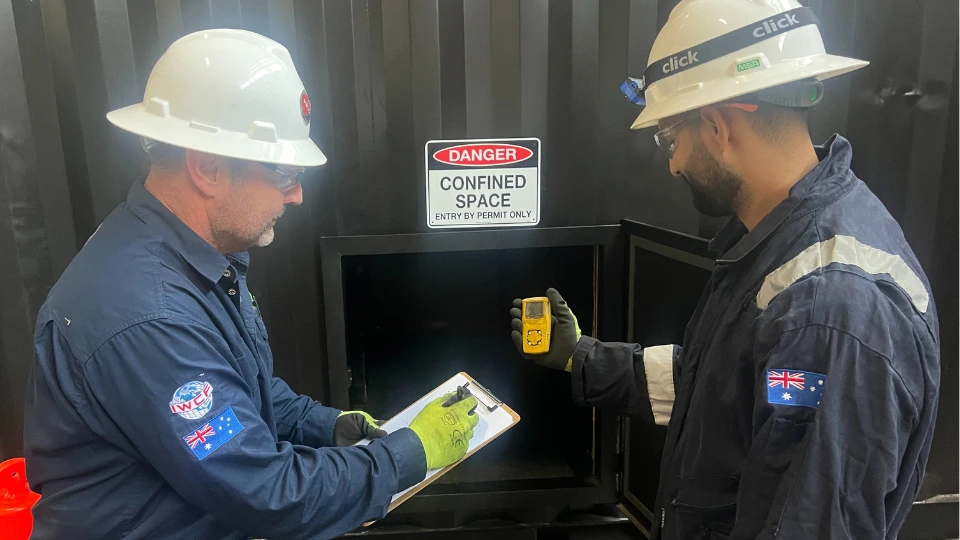
Gas testing is the process of assessing air quality before and during work to identify hazardous atmospheric conditions. Using calibrated gas detection equipment, workers measure:

• Oxygen levels
• Flammable gases or vapours
• Toxic gases such as hydrogen sulphide (H₂S) and carbon monoxide (CO)

GTA is especially vital in confined or poorly ventilated environments, or anywhere hazardous substances may be present or released during operations.

Without proper testing, workers can unknowingly enter deadly atmospheres.

Common Atmospheric Hazards on Worksites

Oxygen Deficiency or Enrichment

Normal air contains around 20.9% oxygen. Lower levels can impair judgement, cause unconsciousness, or become fatal. Oxygen-enriched environments increase fire and explosion risks dramatically.

Flammable Gases and Vapours

Hydrocarbon gases can accumulate rapidly, particularly in confined spaces. One ignition source can trigger catastrophic fires or explosions.

Toxic Gases

Gases like H₂S and CO are extremely dangerous and often undetectable by human senses. Exposure can cause severe injury or death within minutes if not identified early.

When Is Gas Testing Required?

Gas testing is essential during many high-risk activities, including:

• Confined space entry
• Hot work
• Drilling and well servicing operations
• Tank cleaning and maintenance
• Shutdowns and turnarounds

Testing must be completed prior to entry, continuously during work, and whenever conditions change. Ongoing monitoring ensures workers are immediately alerted if atmospheres become unsafe.

The Consequences of Inadequate Gas Testing

When gas testing isn’t done correctly, the consequences can be severe:

• Serious injuries or fatalities
• Fires or explosions
• Worksite shutdowns and investigations
• Regulatory penalties and legal action
• Long-term reputational damage

Many incidents occur not because equipment wasn’t available — but because workers weren’t properly trained to use detectors or interpret readings accurately.

Why Training Makes the Difference

Gas detection equipment is only effective in the hands of trained, competent workers.

Proper GTA training ensures personnel understand:

• How to operate and calibrate gas detectors
• Safe exposure limits and alarm settings
• How to interpret readings accurately
• What actions to take when unsafe conditions are detected

Without this knowledge, critical warning signs can be missed — and seconds matter.

How AWCC Supports Safer Workplaces

At Australian Well Control Centre (AWCC), safety training goes beyond theory.

Our industry-recognised Gas Test Atmospheres training delivers practical, hands-on learning led by experienced trainers with real-world operational backgrounds.

AWCC equips workers to:

• Identify atmospheric hazards
• Conduct effective gas testing
• Respond decisively to unsafe conditions
• Meet workplace safety and compliance requirements

By investing in quality training, organisations reduce risk, protect their people, and maintain safe, compliant operations.

In high-risk environments, there are no second chances.

Effective gas testing — backed by the right training — is essential for protecting lives and keeping worksites running safely.

Ready to upskill your team?

Book your training with AWCC today. Our industry-recognised courses deliver hands-on learning led by experienced professionals, helping you stay compliant, confident, and job-ready.

View all AWCC Courses here.


Continue reading

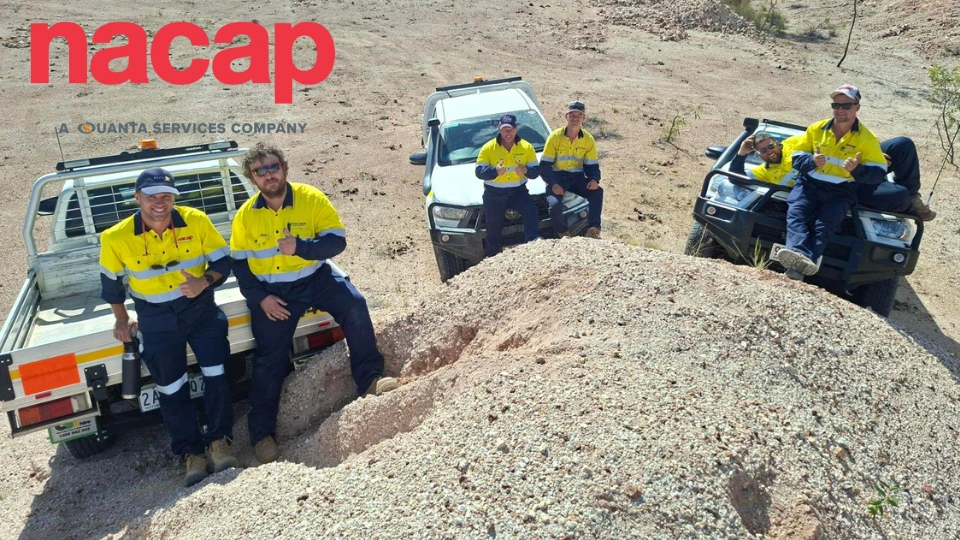
Onsite, On Demand: Delivering Critical 4WD and Gas Testing Capability with NACAP


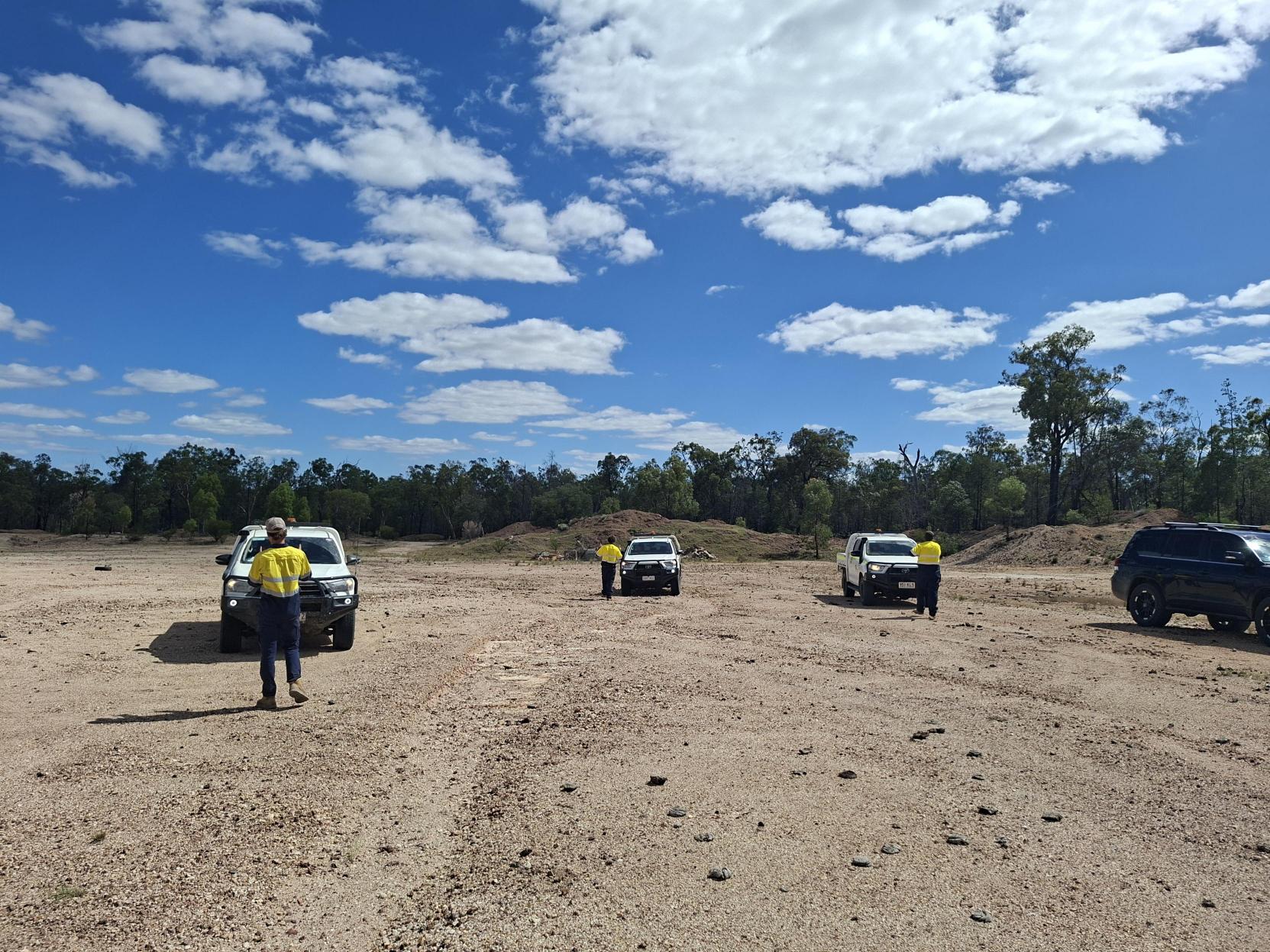
In regional and remote operations, training is only valuable if it can be delivered when and where it is needed. Recently, the Australian Well Control Centre (AWCC) partnered with NACAP to deliver short-notice, onsite training for personnel based in and around Miles—a practical example of how modern workforce development must operate in today’s energy and infrastructure sectors. 

This engagement was driven by operational reality. Workforce availability windows were tight, travel time needed to be minimised, and the training outcomes were non-negotiable. NACAP required assurance that participants would leave the program not only compliant, but genuinely competent in skills that directly affect safety, asset protection, and operational continuity. AWCC was able to mobilise quickly, design the delivery around site requirements, and deploy experienced trainers to meet those expectations. 

One of the key strengths of this delivery was AWCC’s ability to facilitate training onsite, at short notice, without compromising quality or compliance. Rather than drawing personnel away from operations for extended periods, the training was structured to integrate seamlessly with NACAP’s operational tempo. This approach reduces downtime, controls cost, and—most importantly—keeps training relevant to the environments participants actually work in. 

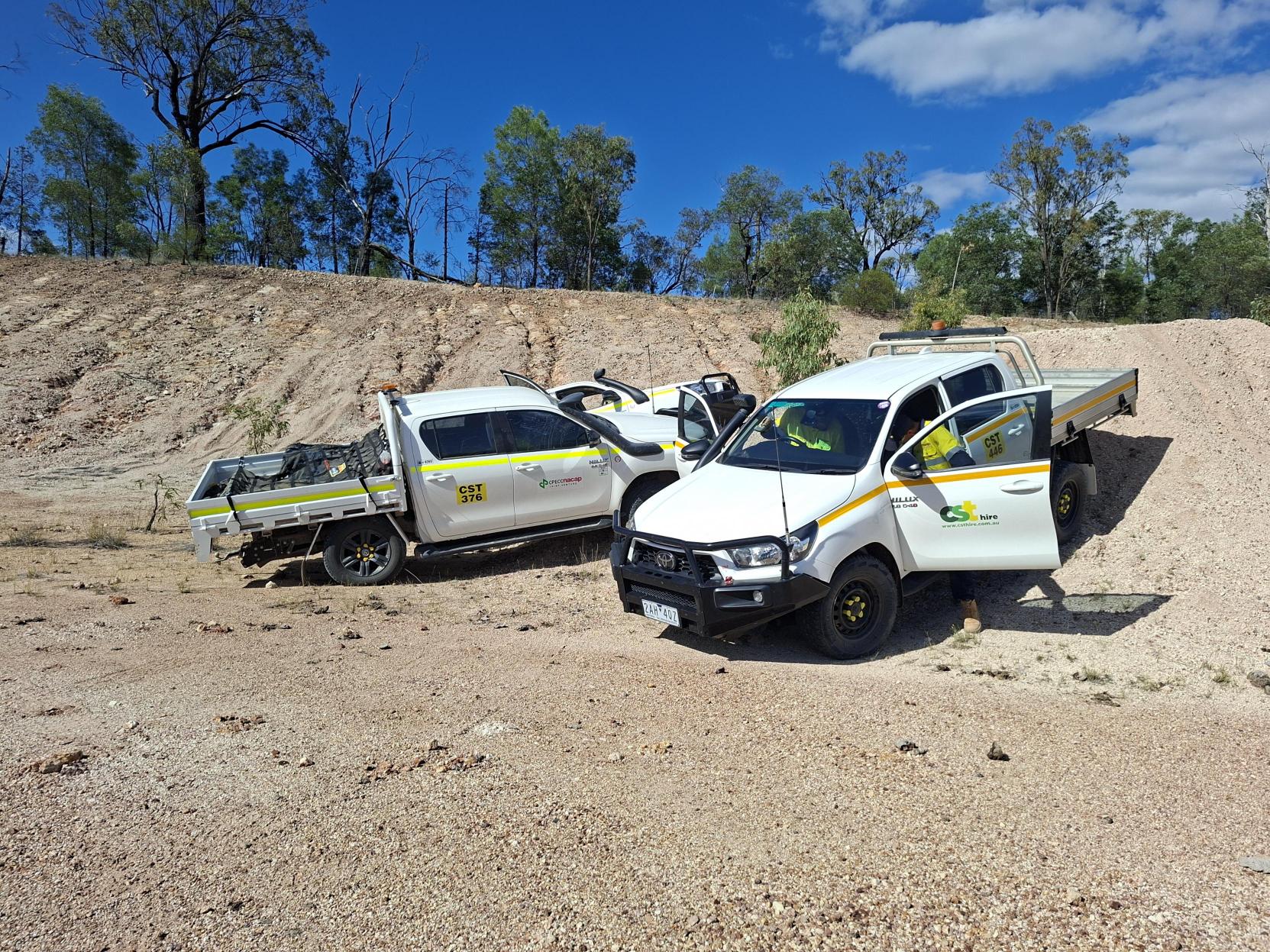
AWCC utilised its purpose-built designated 4WD training area in Chinchilla. Unlike generic driver education environments, this facility is specifically designed to replicate the terrain, hazards, and decision-making pressures encountered in regional energy, civil, and infrastructure operations. Participants were trained in vehicle capability assessment, terrain negotiation, recovery techniques, and dynamic risk assessment—skills that are critical in preventing incidents long before emergency response is required. The controlled yet realistic setting allowed trainers to assess behaviour under pressure, reinforce correct decision-making, and address unsafe habits in real time. 

Equally critical was the Gas Test Atmosphere training. In high-risk environments, gas testing is not a theoretical exercise—it is a life-preserving skill. AWCC’s delivery focused on practical competence: understanding gas behaviour, selecting and using monitoring equipment correctly, interpreting readings, and responding appropriately to hazardous atmospheres. Participants were trained to recognise that gas testing is not a “tick-and-flick” task, but a continuous process that underpins confined space entry, hot work, and broader site safety systems. The emphasis was clear: incorrect interpretation or complacency in gas testing can have immediate and catastrophic consequences. 

What set this engagement apart was not just the content, but the experience of the trainers delivering it. AWCC trainers bring extensive operational backgrounds, allowing them to contextualise learning with real-world examples that resonate with experienced workers. This credibility is essential in high-risk industries, where participants quickly disengage from training that feels abstract or disconnected from reality. Feedback from the NACAP workforce reflected this—training that was direct, practical, and clearly aligned with operational expectations. 


This delivery further reinforces AWCC’s position as a leader in training across regional Queensland and beyond. The ability to respond rapidly, deploy specialist trainers, access purpose-built facilities, and maintain uncompromising standards is not accidental—it is the result of an industry-designed, industry-delivered model that prioritises outcomes over convenience. For organisations like NACAP, this capability translates into confidence: confidence that their workforce is prepared, compliant, and capable of operating safely in demanding environments. 

As workforce demands continue to evolve, the expectation is clear. Training providers must be agile, credible, and embedded in the realities of industry. This recent onsite delivery in Miles demonstrates that when it comes to onsite training, Australian Well Control Centre is setting the benchmark—delivering critical skills where they are needed most, without compromise. 


Continue reading

Honouring a Legacy of Service: Celebrating the Miles Family’s National Recognition


On 4 December 2025 in Brisbane, a remarkable and deeply meaningful moment took place. The Miles family, humble, community-minded, and rarely seeking recognition, were honoured with the John Studdy Award, the highest national award presented by MS Australia.

This award recognises individuals or families whose commitment and contribution to supporting people living with multiple sclerosis has been extraordinary over a sustained period. For the Miles family, that period has been more than 12 years, working tirelessly alongside MS Queensland and MS Australia to advocate, fundraise, volunteer, and support the MS community in genuine and practical ways.

Many people may not personally know the Miles family, but their impact has reached far across Queensland and beyond.

A Personal Connection for AWCC

For AWCC, this achievement carries special significance. Our Manager is not watching this from the sidelines — he has been directly involved in this 12-year journey with his wife and the Miles family.

Together, they have:

  • Volunteered at MS Queensland events
  • Assisted in major fundraising initiatives
  • Helped coordinate community support activities
  • Stood beside families affected by MS
  • Contributed countless hours to awareness and advocacy

Why We Celebrate This Achievement

At AWCC, we talk about community: supporting it, strengthening it, and being part of something bigger than ourselves. But with the Miles family, this isn’t a slogan — it’s lived experience.

When people ask why AWCC shows up, why we support community organisations, why we invest in people, the answer is simple:

Because these are the values our people live every day.

Because making a difference is not what we talk about — it’s what we do.

The Miles family’s story is a powerful example of the kind of character, heart, and service that shape the culture of AWCC.

A National Honour, Truly Earned

Receiving the John Studdy Award is no small milestone. It is the highest honour given by MS Australia — reserved for only the most significant contribution over many years.

For the Miles family to receive this award is a testament to their compassion, resilience, generosity, and unwavering commitment to helping others. Their service has strengthened MS Queensland, supported countless families, and contributed to improving the lives of people living with MS.

A Proud Moment for a Remarkable Family

To the Miles family — and to our AWCC Manager who has been part of this journey from the beginning — we extend our heartfelt congratulations.

Your dedication is inspiring.

Your humility is grounding.

Your commitment reflects the very best of what community means.

This is a story worth celebrating — not just because of the award, but because it reminds us that extraordinary people walk quietly among us, making a difference year after year.

And AWCC is proud to be connected to that story.


Continue reading